
India's ambition to become a global medical device manufacturing hub now faces a fresh cost challenge. On the second day following the reinstatement of standard customs duties on imported polymer inputs, manufacturers are assessing the financial impact while industry association AIMED prepares a formal representation to the Ministry of Health and the Ministry of Finance. For pharmaceutical distributors, hospital procurement teams and international buyers, this development signals that July supplier quotations are likely to reflect higher raw material costs.
The issue extends beyond customs policy. Medical devices depend on specialized polymers that must meet strict quality, regulatory and performance standards. When input costs rise, manufacturers have limited options to absorb the increase without affecting product pricing or margins.
Why Polymer Inputs Are Critical for Medical Device Manufacturing
Medical devices rely on engineered polymers that deliver sterility, durability and biocompatibility.
Among the most important materials are polypropylene (PP), acrylonitrile butadiene styrene (ABS), polycarbonate (PC) and polyvinyl chloride (PVC).
These polymers support production across a wide range of healthcare products, including:
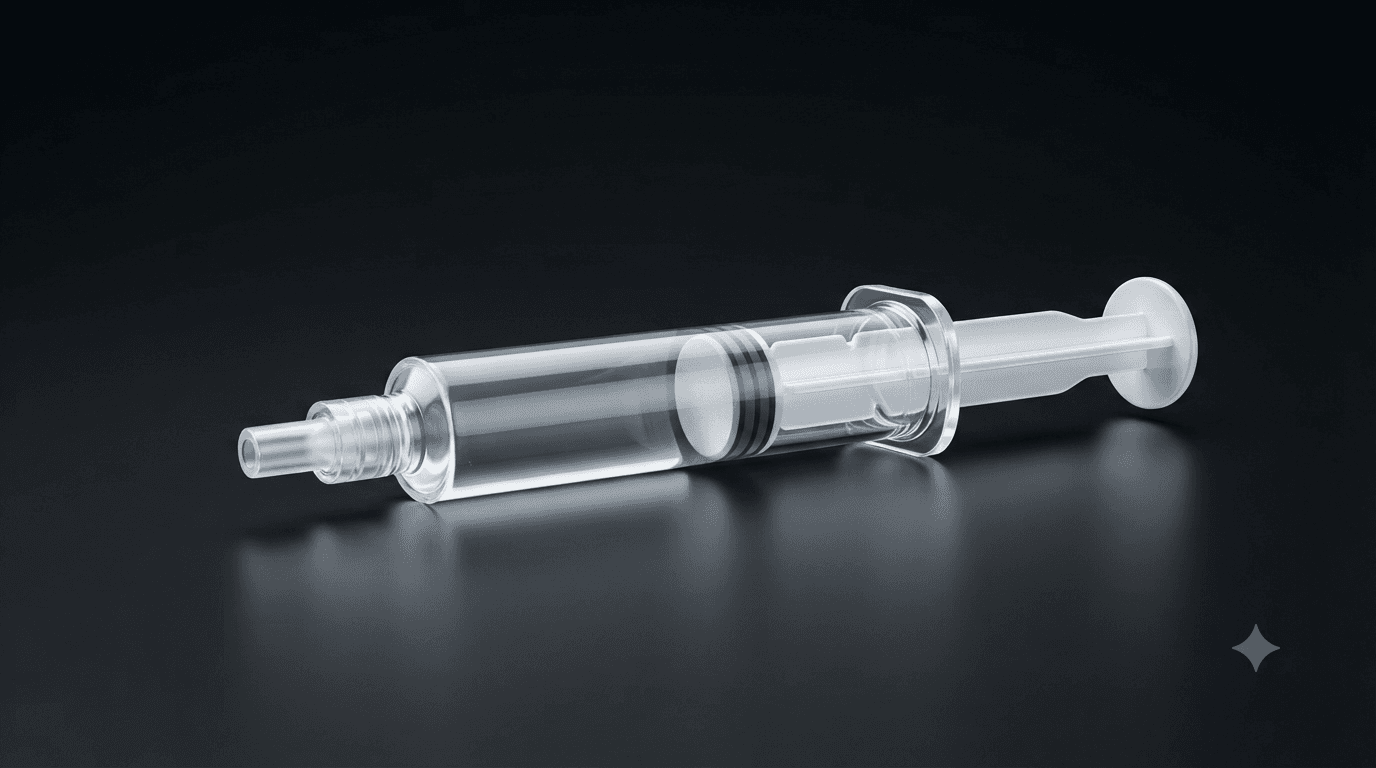
Disposable syringes used in hospitals, vaccination programmes and pharmaceutical packaging.
IV bags and infusion systems that require consistent material performance and regulatory compliance.
Diagnostic consumables used in laboratories and point of care testing.
Respiratory devices and critical care equipment requiring high precision molded components.
For many applications, manufacturers cannot simply replace one polymer with another without extensive product testing and regulatory approval.
Customs Duty Reinstatement Changes the Cost Structure
The return of standard customs duty increases the landed cost of imported medical grade polymer inputs.
Unlike commodity plastics, medical polymers often require certified grades that originate from specific global producers. That limits sourcing flexibility when costs rise.
Manufacturers now face higher raw material expenses before production even begins.
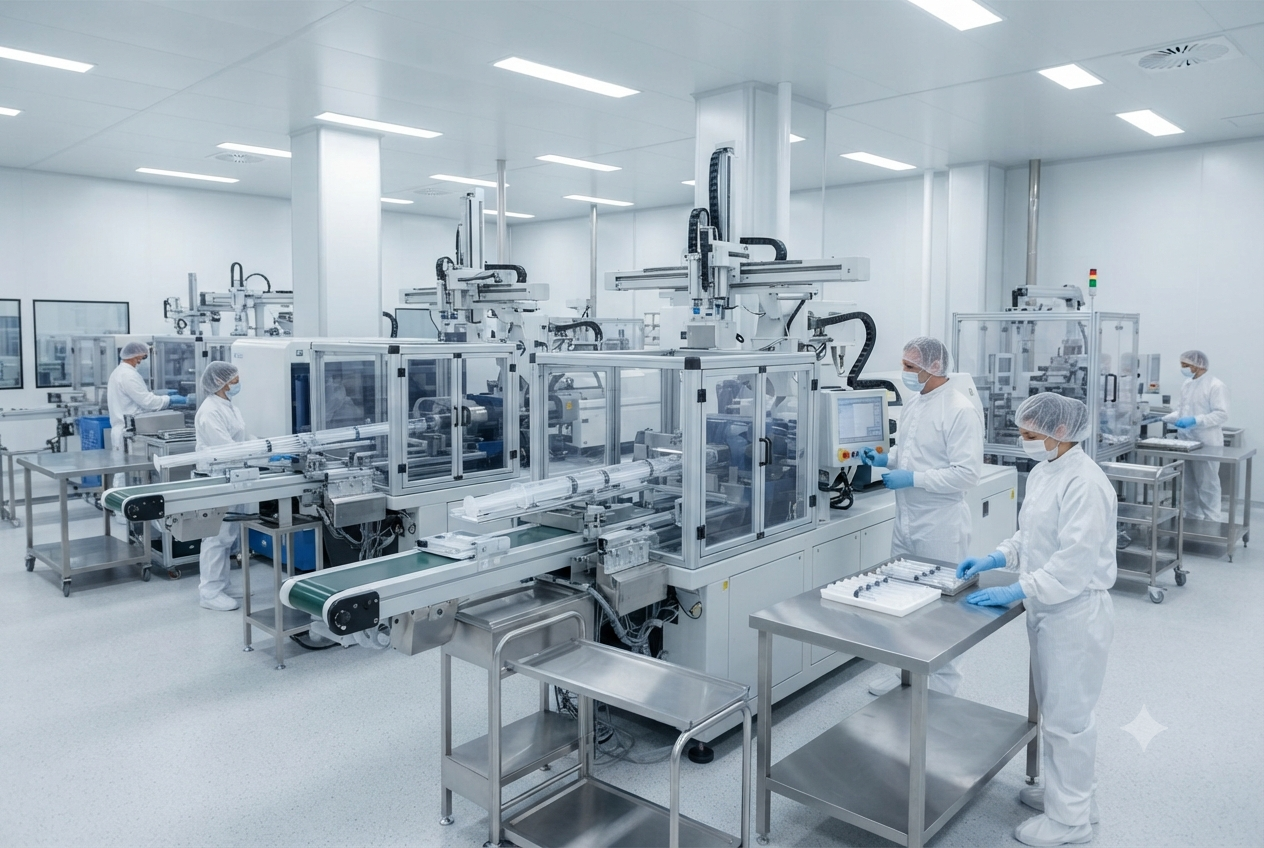
The impact reaches every stage of the value chain, from procurement through manufacturing to export pricing.
AIMED Seeks Targeted Government Relief
The Association of Indian Medical Device Industry, or AIMED, is expected to present its case to the Government this week.
Industry representatives are expected to advocate for:
A targeted customs duty extension covering medical device polymer inputs.
An alternative relief mechanism that preserves the competitiveness of domestic manufacturers.
Policy measures that support India's long term medical device manufacturing ambitions.
The commercial argument is straightforward. Indian manufacturers compete against exporters located in countries that do not face equivalent import duties on critical polymer feedstocks.
Export Competitiveness Could Come Under Pressure
India has steadily expanded its presence in global medical device manufacturing.
Higher production costs may influence export competitiveness in several ways.
Overseas buyers often compare suppliers on narrow pricing margins, especially for disposable medical products.
Long term supply contracts may become more difficult to renew if competitors maintain lower production costs.
Manufacturers may face pressure to absorb part of the cost increase instead of passing it fully to customers.
Investment decisions for future manufacturing expansion could become more cautious if input costs remain elevated.
These pressures matter because many medical device categories operate in highly competitive international markets.
Which Products May Experience Cost Increases
Not every medical device will experience the same level of pricing pressure.
Products with high polymer content or large production volumes are generally more exposed.
Procurement teams should monitor quotations for:
Disposable syringes.
Intravenous bags.
Diagnostic testing consumables.
Respiratory therapy products.
Plastic medical connectors and tubing.
Single use procedural devices.
Manufacturers may also review packaging specifications where medical grade polymers represent a significant share of production costs.
Supplier Quotations Are the First Market Signal
Raw material inflation does not always translate immediately into higher selling prices.
Many manufacturers initially absorb additional costs while monitoring policy developments.
However, July quotations may increasingly include:
Revised pricing based on updated polymer procurement costs.
Shorter quotation validity periods.
Greater use of raw material adjustment clauses.
Requests for contract renegotiation on long term supply agreements.
Buyers should expect supplier discussions to focus more heavily on input cost transparency during the coming weeks.
Procurement Strategies for Hospitals and Pharmaceutical Buyers
Healthcare procurement teams can reduce uncertainty by taking a proactive approach.
Several practical actions deserve consideration.
Review contracts with key Indian medical device suppliers to identify pricing adjustment mechanisms.
Engage suppliers early regarding expected changes to polymer procurement costs.
Evaluate inventory requirements for high volume disposable products.
Diversify sourcing where appropriate while maintaining regulatory compliance.
Monitor policy announcements that could alter the customs duty framework.
These steps help organizations prepare for changing supplier economics without disrupting essential medical supplies.
Long Term Outlook for India's Medical Device Industry
India continues to offer significant manufacturing advantages, including skilled production capability, expanding domestic demand and growing export infrastructure.
The current customs duty issue does not change those structural strengths.
Instead, it highlights the importance of aligning industrial policy with manufacturing ambitions. If targeted relief measures are introduced, competitive pressures may ease. If duties remain in place for an extended period, manufacturers will likely focus on productivity improvements, supply chain optimization and selective price adjustments to preserve market position.
What Buyers Should Do Now
The reinstatement of customs duty on medical grade polymer inputs should be viewed as an early procurement signal rather than an isolated policy event. Hospitals, pharmaceutical distributors and international buyers sourcing Indian medical devices should anticipate higher supplier quotations as manufacturers incorporate rising raw material costs into commercial negotiations.
Organizations that maintain close communication with suppliers, monitor policy developments and review sourcing strategies will be better positioned to manage cost changes while protecting continuity of supply.
Ready to source medical device polymers from verified global suppliers? Explore competitive offers on our platform today.
Polyethylene Terephthalate (PET) CAS: 25038-59-9