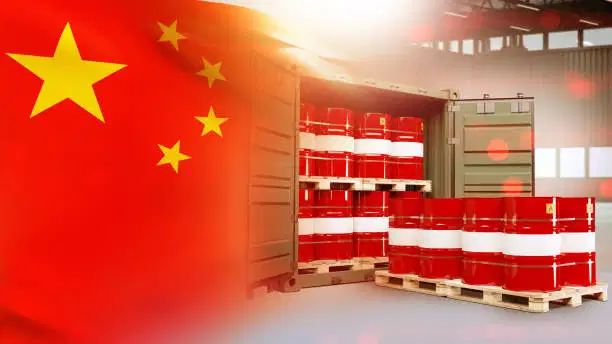
A major shift is unfolding in the global specialty chemicals market. India vs China Specialty Chemicals has become a critical discussion for procurement managers as recent US tariff changes alter long-standing competitive dynamics.
The reduction of US tariffs on Indian goods to 10% gives Indian chemical exporters a stronger position in one of the world's most valuable import markets. Combined with growing manufacturing capacity and accelerating China-plus-one sourcing strategies, India now has an opportunity to capture additional market share across multiple chemical categories.
For buyers, this development could influence sourcing decisions, pricing negotiations and supplier diversification plans well beyond 2026.
What Is Driving the India vs China Specialty Chemicals Competition?
The competition between India and China in specialty chemicals is not new. For years, China has dominated global chemical manufacturing through scale, integrated supply chains and extensive production capacity.
Many multinational buyers built sourcing networks around Chinese suppliers because they offered reliable volumes and competitive costs. This approach worked well when supply chains remained stable and geopolitical risks stayed manageable.
However, recent disruptions have encouraged companies to reconsider supplier concentration. Trade tensions, export restrictions, logistics bottlenecks and geopolitical uncertainty have highlighted the risks of depending too heavily on a single sourcing destination.
This environment gave rise to China-plus-one sourcing strategies. Under this approach, buyers maintain relationships with Chinese suppliers while building alternative supply channels in countries such as India.
India has emerged as one of the strongest candidates for this diversification trend. The country combines a large domestic market, growing industrial capabilities and an expanding specialty chemicals sector.
The latest US tariff reductions further strengthen India's competitive position by reducing cost barriers that previously limited export growth.
Global Market Size and Demand in 2026
The specialty chemicals industry serves nearly every major manufacturing sector. Demand comes from pharmaceuticals, agriculture, automotive production, electronics, construction, consumer goods and industrial processing.
Unlike commodity chemicals, specialty chemicals often require technical expertise, customized formulations and strict quality standards. Buyers frequently prioritize performance and reliability alongside price.
India's chemical sector has expanded rapidly in recent years. The domestic petrochemical market has crossed USD 300 billion and contributes significantly to manufacturing output and industrial growth.
This scale provides an important advantage. A large domestic market allows producers to build manufacturing expertise while supporting investment in new facilities and technologies.
At the same time, global demand for diversified sourcing continues to increase. Buyers want alternatives that reduce supply chain risk without compromising quality or delivery performance.
US importers have become particularly active in evaluating new supplier relationships. Lower tariffs make Indian products more attractive from both a pricing and procurement perspective.
Demand growth is especially strong in specialty intermediates, performance chemicals, fluorochemicals, pharmaceutical ingredients and advanced materials.
As global manufacturers continue diversifying supply chains, Indian producers are likely to receive increasing attention from procurement teams worldwide.
Key Price Drivers and Market Forces Right Now
Several market forces currently support India's growing competitiveness.
The most obvious factor is the reduction in US tariffs. Lower import costs improve the landed cost competitiveness of Indian products and create additional room for pricing flexibility.
A second factor involves supply chain diversification. Many multinational corporations now view supplier concentration as a strategic risk rather than an efficiency advantage.
A third factor comes from capacity expansion. India's ethylene production capacity continues to grow and is expected to exceed 9.5 million tonnes annually by 2027.
Ethylene serves as a foundation for numerous downstream chemical products. Expanded capacity strengthens the broader petrochemical ecosystem and supports additional value-added manufacturing.
Investment trends also favor India. Domestic and international companies continue allocating capital toward manufacturing facilities, logistics infrastructure and export-oriented production.
Meanwhile, some Chinese producers face increasing pressure from trade restrictions and shifting customer preferences in certain export markets.
This does not mean China is losing its dominant position. Rather, buyers now have stronger incentives to evaluate multiple sourcing options.
For procurement managers, competition between suppliers often creates opportunities to improve pricing, service levels and contract flexibility.
Top Producing and Exporting Countries
China remains the world's largest chemical manufacturing nation. Its integrated production clusters, extensive infrastructure and enormous production scale make it a dominant supplier across many categories.
The country continues to lead in numerous petrochemical and specialty chemical segments. Chinese producers maintain strong positions in both domestic and international markets.
India is rapidly strengthening its position as a global chemical exporter. Its combination of manufacturing growth, engineering talent and export-oriented investment attracts increasing attention from international buyers.
The United States also remains a major producer, particularly in petrochemicals, specialty materials and high-value chemical applications.
South Korea and Japan continue serving important roles in advanced materials, electronics chemicals and specialty manufacturing.
However, the current discussion centers on India and China because buyers increasingly compare these two countries when evaluating long-term sourcing strategies.
The tariff shift gives India an additional advantage in US markets, particularly where pricing differences influence purchasing decisions.
Applications and Who Buys Specialty Chemicals
Specialty chemicals support a broad range of industries and applications.
Pharmaceutical companies purchase intermediates, active ingredient components and process chemicals that require strict quality control.
Electronics manufacturers depend on high-purity materials and specialty formulations for semiconductors, batteries and advanced electronic devices.
Automotive producers use specialty chemicals in coatings, adhesives, elastomers, plastics and battery technologies.
Agricultural companies require specialty ingredients for crop protection products and agricultural formulations.
Construction and infrastructure projects consume coatings, sealants, performance materials and specialty additives.
Consumer goods manufacturers use specialty chemicals in packaging, personal care products and household applications.
These industries increasingly seek suppliers that can provide consistent quality, competitive pricing and reliable delivery schedules.
The rise of China-plus-one sourcing reflects this need for greater supply chain resilience.
For procurement teams, the ability to source from multiple qualified regions reduces risk while improving negotiating leverage.
Risks, Challenges and Regulatory Issues
Despite India's growing momentum, several challenges remain.
China still possesses substantial advantages in manufacturing scale, infrastructure and integrated supply chains. Competing directly against these strengths requires sustained investment and operational excellence.
Raw material price volatility can affect production costs and export competitiveness. Feedstock fluctuations remain a challenge across global chemical markets.
Infrastructure development must continue to keep pace with manufacturing growth. Ports, transportation networks and logistics systems play critical roles in export performance.
Regulatory compliance also remains essential. International buyers increasingly demand environmental accountability, product traceability and consistent quality standards.
Currency movements can influence export pricing and profitability. Significant exchange rate changes may alter competitive positions quickly.
Global economic slowdowns represent another potential risk. Reduced industrial activity can weaken demand across multiple chemical sectors.
Trade policies can also change. Procurement teams should monitor regulatory developments rather than assuming current advantages will remain permanent.
Successful exporters will need to balance growth opportunities with operational discipline and long-term investment strategies.
Outlook for 2027 and Beyond
The outlook for India's specialty chemicals industry remains highly favorable.
Continued investment in manufacturing capacity should strengthen the country's ability to serve both domestic and international markets. Expanding ethylene capacity will support downstream growth across multiple chemical value chains.
China-plus-one sourcing strategies are unlikely to disappear. Many multinational companies now consider supplier diversification a permanent component of procurement planning.
US buyers may continue increasing engagement with Indian suppliers as tariff advantages improve competitiveness and sourcing economics.
India's growing domestic market also provides a strong foundation for future expansion. Companies can scale production locally while developing export opportunities abroad.
China will remain a critical participant in global chemical trade. However, future growth may become more distributed across multiple manufacturing regions.
For buyers, this evolving landscape creates greater flexibility and a broader range of sourcing options.
The companies that adapt quickly to these changes may gain meaningful advantages in cost management, supply security and long-term procurement performance.
What Buyers Should Do Now
The US tariff reduction marks an important turning point in the global specialty chemicals industry. It strengthens India's position at a time when buyers already seek greater supplier diversification.
China remains an essential part of global chemical supply chains, but India now enters the next phase of competition with stronger commercial advantages. Expanding capacity, growing export capabilities and favorable trade conditions support further momentum.
Procurement managers should evaluate supplier portfolios carefully and compare total landed costs across sourcing regions. Buyers who establish relationships with qualified suppliers early may benefit from improved pricing flexibility and stronger supply security.