



2-Ethylhexyl Acrylate CAS: 103-11-7
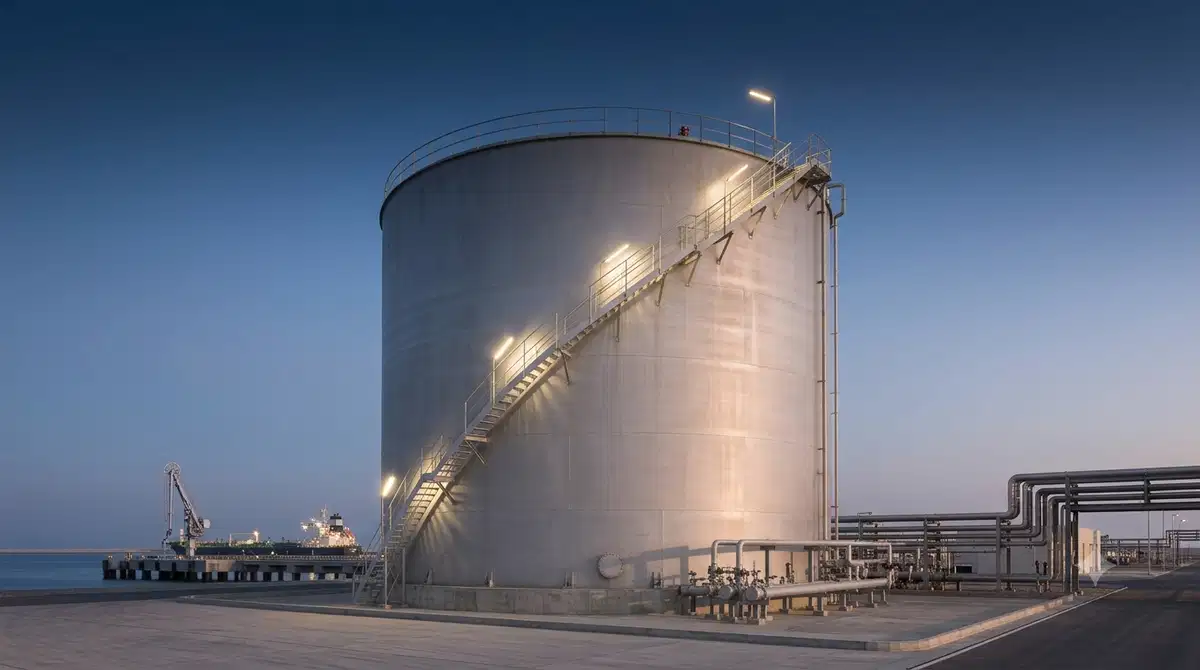
Thailand's emergency fuel export ban highlighted how government intervention can rapidly disrupt downstream chemical supply chains. Procurement teams that rely on Thai petrochemical exports can use this case to strengthen sourcing strategies and reduce exposure to sudden market shocks.
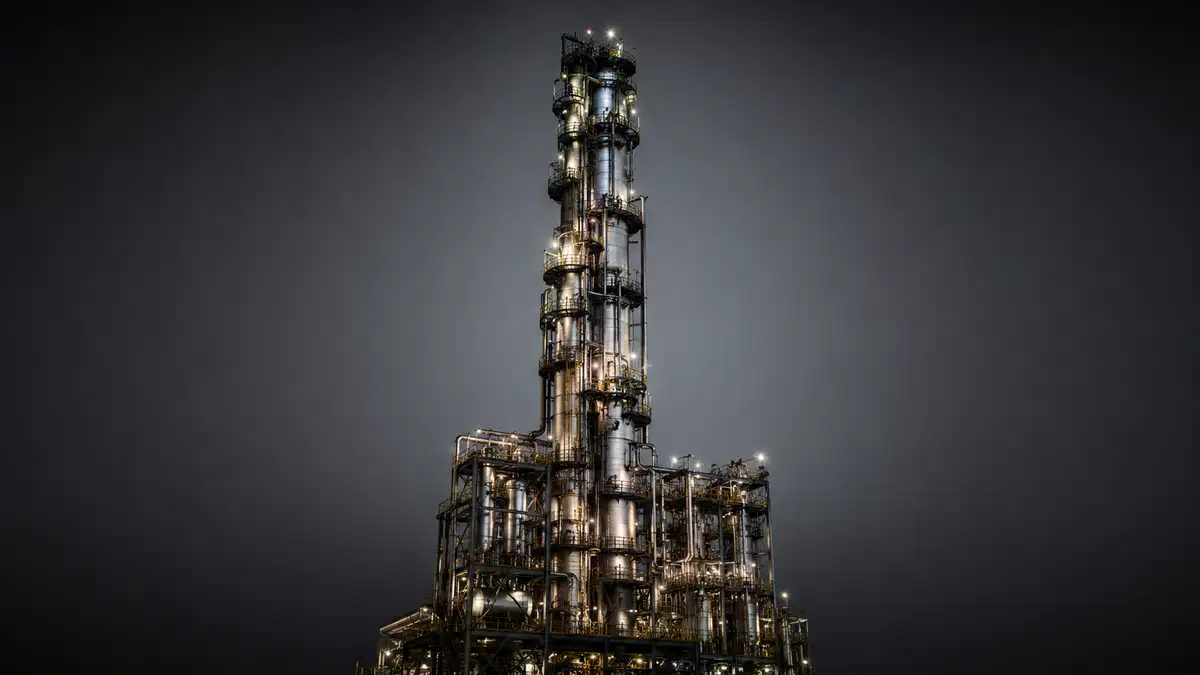
Hengli Petrochemical reported a remarkable 90.65% year-on-year increase in net profit during Q1 2026 as supply disruptions around the Strait of Hormuz altered global trade flows. This article examines the factors behind China's refining advantage, the export surge that followed and what buyers should expect as Middle Eastern supply returns to the market.
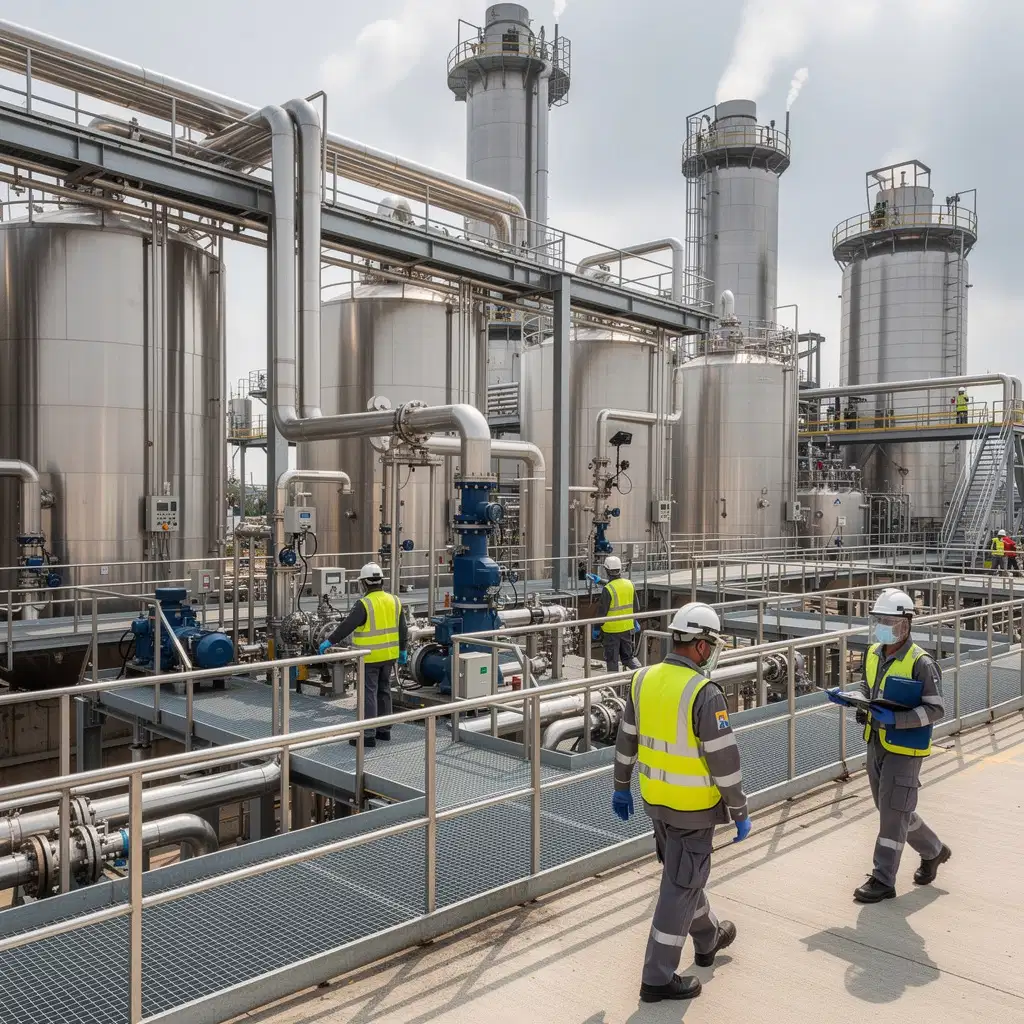
Sulfuric acid prices increased across major regions in May 2026 as sulfur availability tightened and supply risks affected global markets. This update examines regional pricing trends and what fertilizer and mining buyers should consider for Q3 planning.
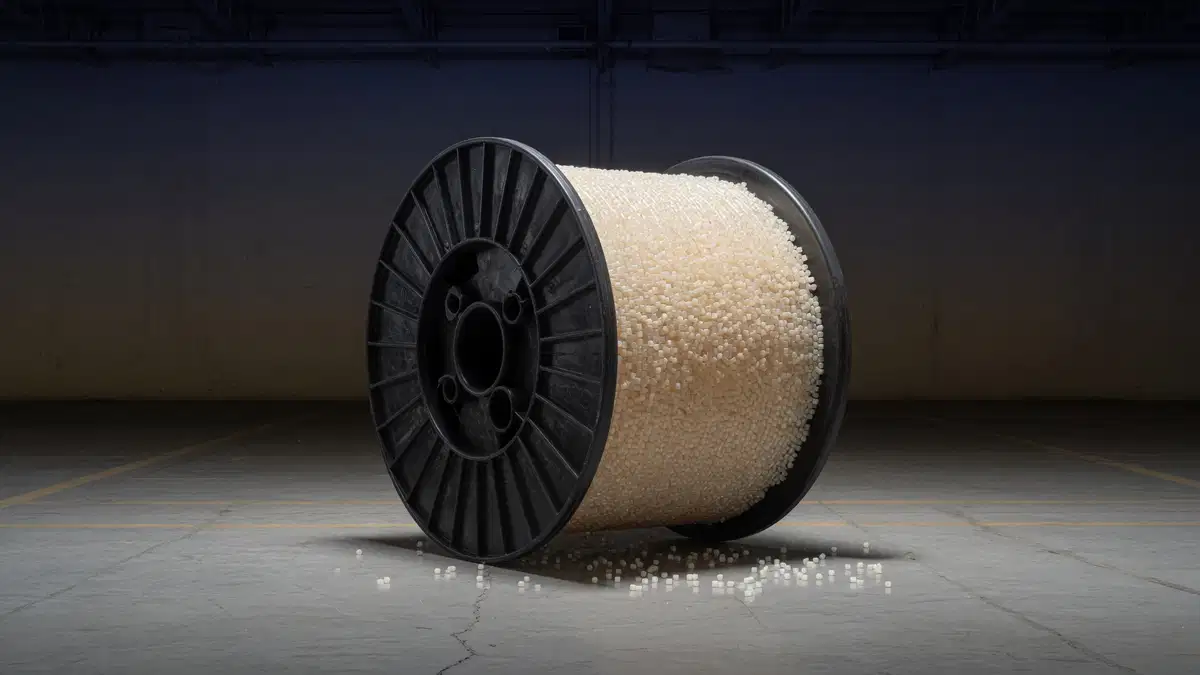
The Nylon 66 market has shifted from supply shortages to persistent oversupply in just a few years. New Chinese capacity, weak automotive demand and upcoming adiponitrile projects are reshaping global pricing power. Procurement teams now have a rare opportunity to secure favorable long-term contracts.

Glacial acetic acid markets in 2026 are increasingly influenced by methanol costs and geopolitical disruptions. The Hormuz crisis has tightened feedstock economics, while evolving tariff proposals and strong downstream demand continue to reshape global sourcing strategies.
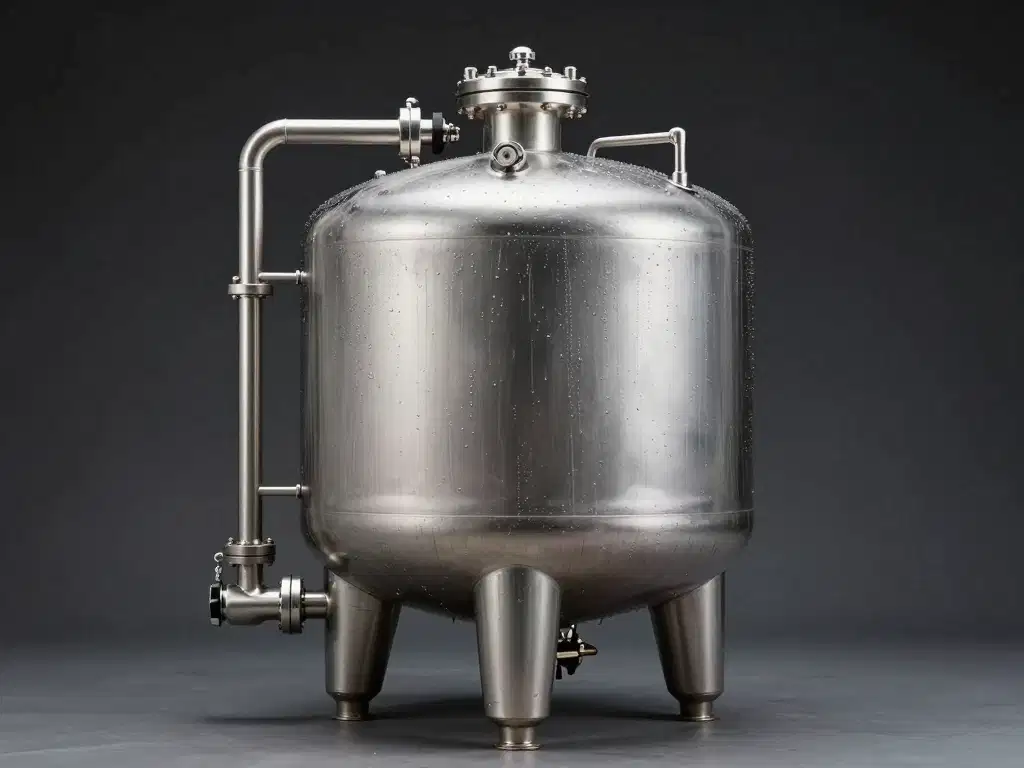
Methanol price volatility has intensified in 2026 as supply disruptions, energy costs and growing marine fuel demand reshape global trade flows. Learn the five major factors driving methanol prices and what procurement teams should monitor going forward.
We're committed to your privacy. Tradeasia uses the information you provide to us to contact you about our relevant content, products, and services. For more information, check out our privacy policy.