
Citrus Pulp CAS: 94266-47-4
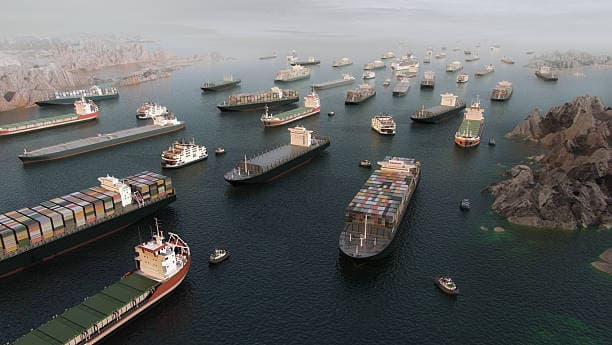
The 2024 Hormuz crisis exposed fragilities in global feedstock supply chains, spotlighting the resilience of post‑consumer recycled chemicals. This article explores how domestic circular feedstocks reduce procurement risk, advance sustainability, and strengthen the circular economy.

Qatar’s strategic position as a chemical exporter, coupled with its control over frozen Iranian funds and a robust LNG supply chain, solidifies its role in Gulf fertilizer markets. The nation’s diplomatic clout ensures stable ammonia production and market confidence across the region.
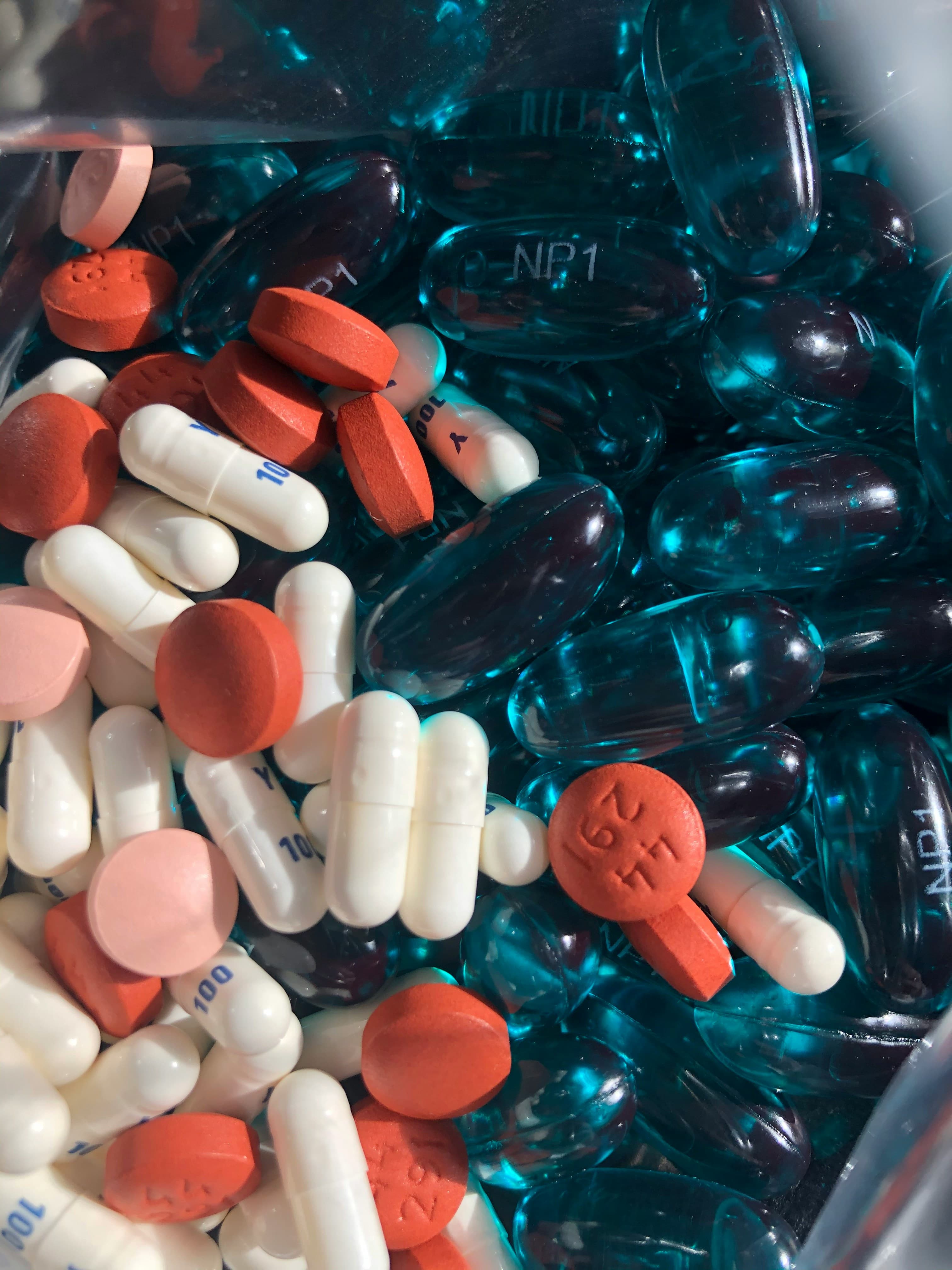
Chinese amino acid producers (L-lysine, L-threonine, taurine, L-methionine, choline chloride) serve global nutraceutical

The 2026 Hormuz crisis disrupted global chemical trade, but created major commercial winners. From OCP Morocco and Nutrien to Wanhua Chemical and US exporters, H1 2026 proved that supply chain disruption often shifts value rather than destroying it.

The Bürgenstock roadmap and recent Hormuz transit data signal a clear path for QAFCO and SABIC to resume ammonia exports in Q3 2026. While force majeure conditions may lift in July, mine clearance delays could postpone full tanker capacity until August. Agricultural and industrial buyers should prepare for an improved but staggered supply outlook.
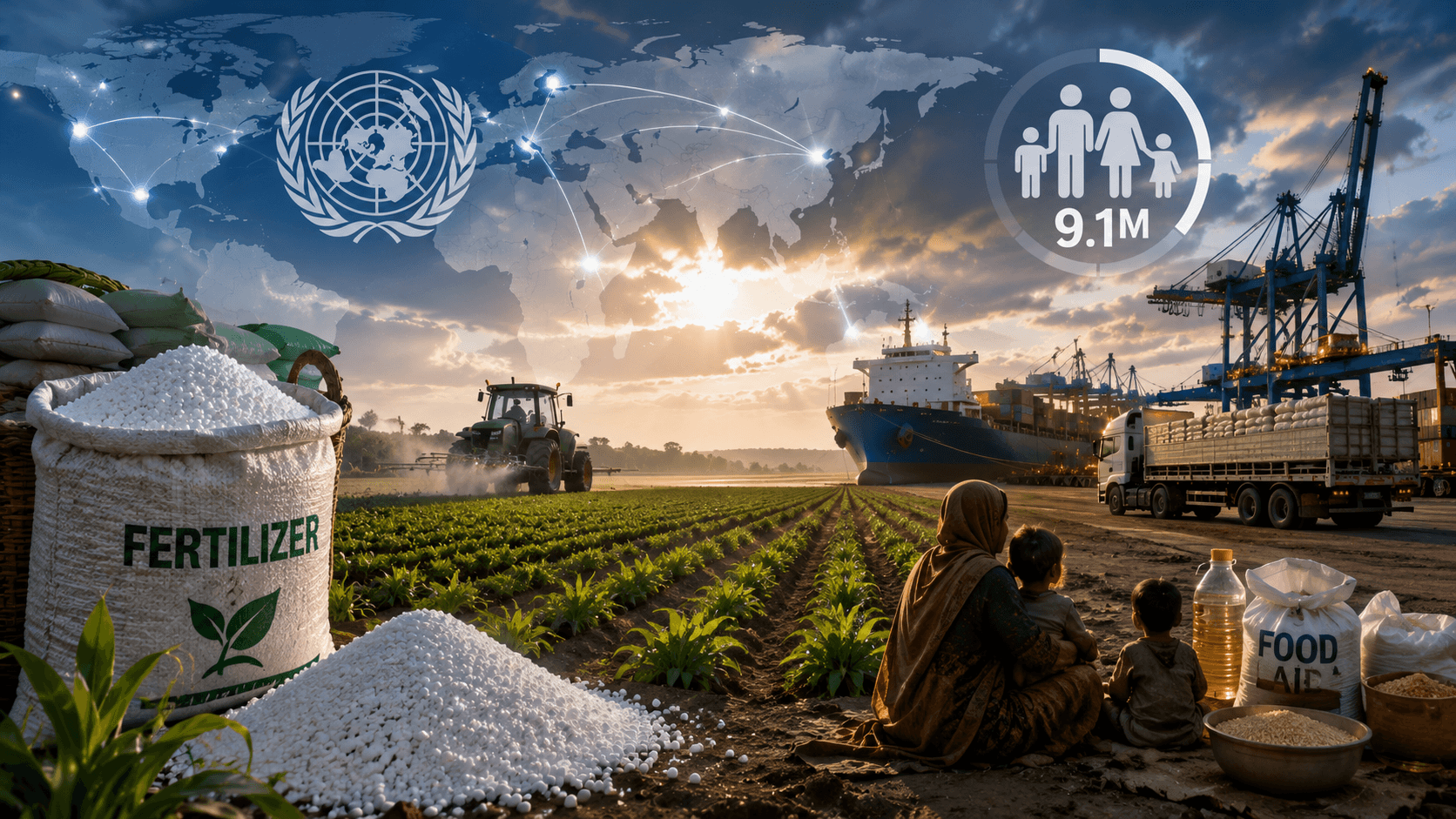
The UN warns 9.1 million more people in Asia could face acute food insecurity if fertilizer supply disruptions continue through July. For agricultural procurement teams, ammonia and urea supply recovery is now an operational priority with direct consequences for global crop production.
We're committed to your privacy. Tradeasia uses the information you provide to us to contact you about our relevant content, products, and services. For more information, check out our privacy policy.