
Carboxy Methyl Cellulose CAS: 9004-32-4
Carboxy Methyl Cellulose CAS: 9004-32-4
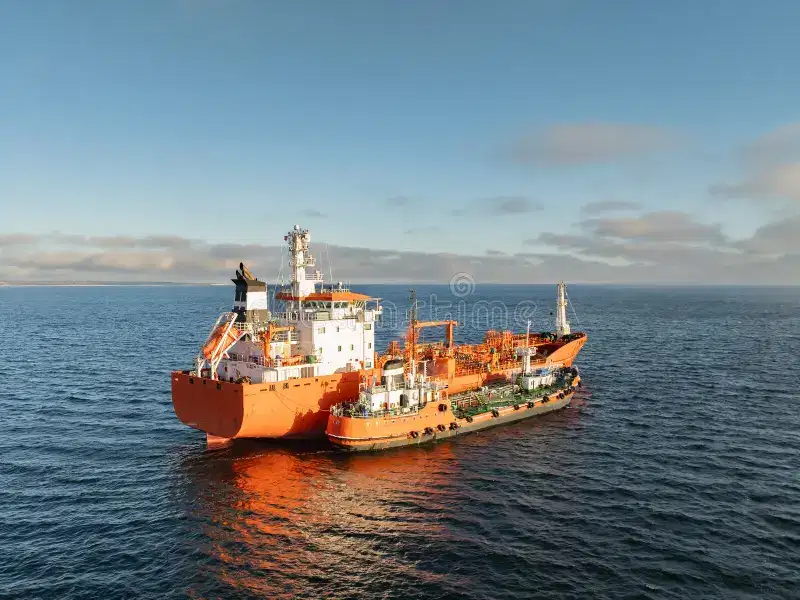
The use of transponder-off tankers has intensified scrutiny of so-called dark fleet operations, creating new compliance challenges for global chemical trade. Procurement and compliance teams should strengthen vessel screening and supply chain due diligence as sanctions enforcement evolves.
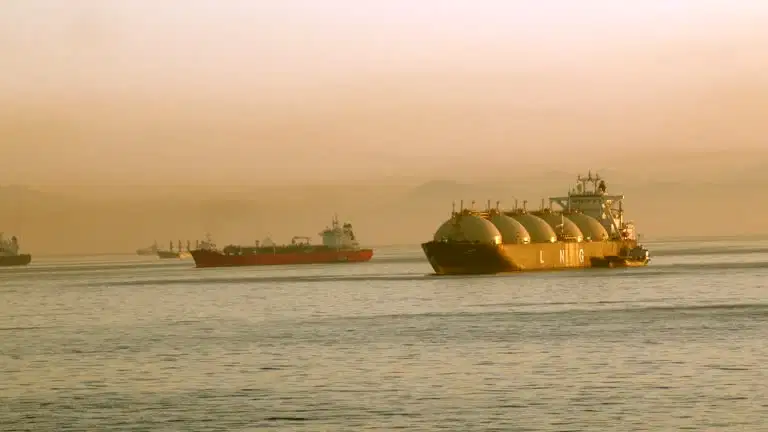
Insurance withdrawals can halt shipping through the Strait of Hormuz faster than any physical blockade. When insurers pull war‑risk coverage, tanker and chemical cargoes face costly delays, forcing operators to seek alternative routes or pay premium rates.
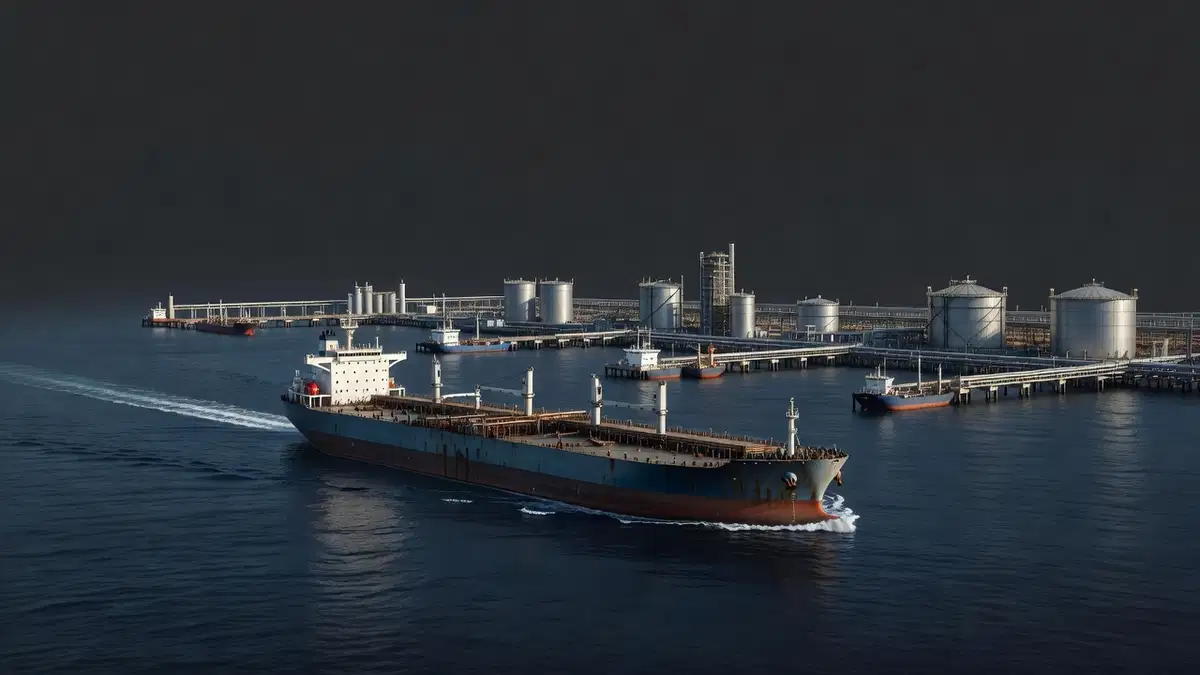
Recent comments from Energy Secretary Wright indicating that Hormuz tolls are no longer under consideration have introduced a new policy signal for global energy and chemical markets. Procurement and compliance teams should understand how changing policy direction can influence logistics planning, freight costs and sourcing strategies.
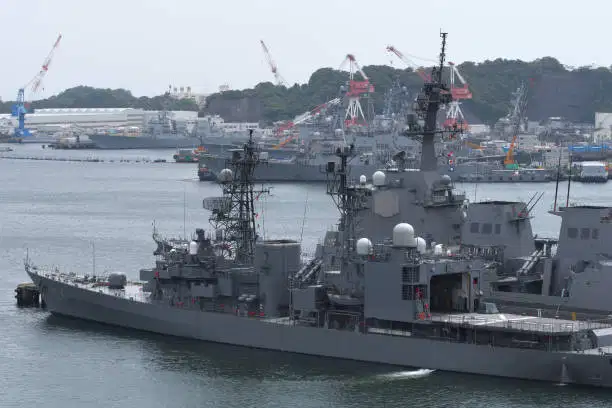
The recent strike on a Jordanian military base has highlighted that security threats in the Middle East extend far beyond the Strait of Hormuz. Freight planners must now account for new risks that can disrupt transport corridors and chemical supply chains across the region.
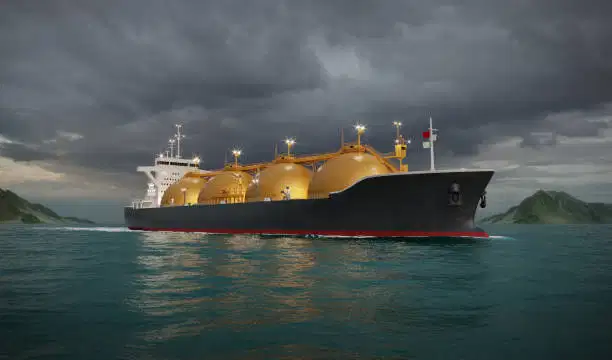
The Seveso III Directive reshapes the landscape of hazardous chemical transport by tightening safety, emergency preparedness and communication between facilities and carriers. Understanding its key provisions helps logistics professionals stay compliant and protect communities.
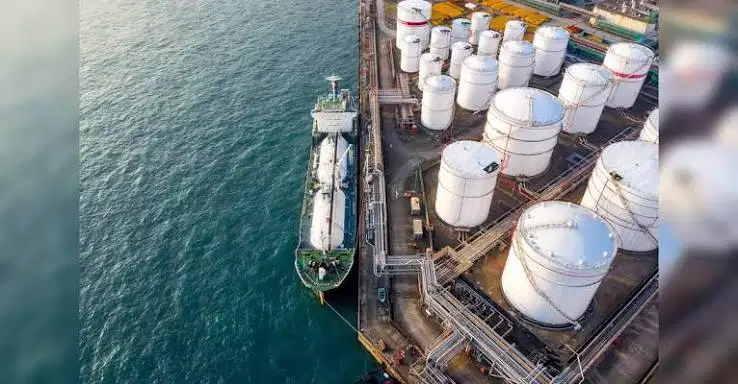
At the outbreak of conflict, Hapag‑Lloyd’s chief warned that logistics would remain disrupted long after hostilities cease. With Hormuz at a fraction of pre‑war traffic, carriers are still routing via the Cape of Good Hope. Chemical shippers must plan for the operational reality, not diplomatic optimism.
We're committed to your privacy. Tradeasia uses the information you provide to us to contact you about our relevant content, products, and services. For more information, check out our privacy policy.