
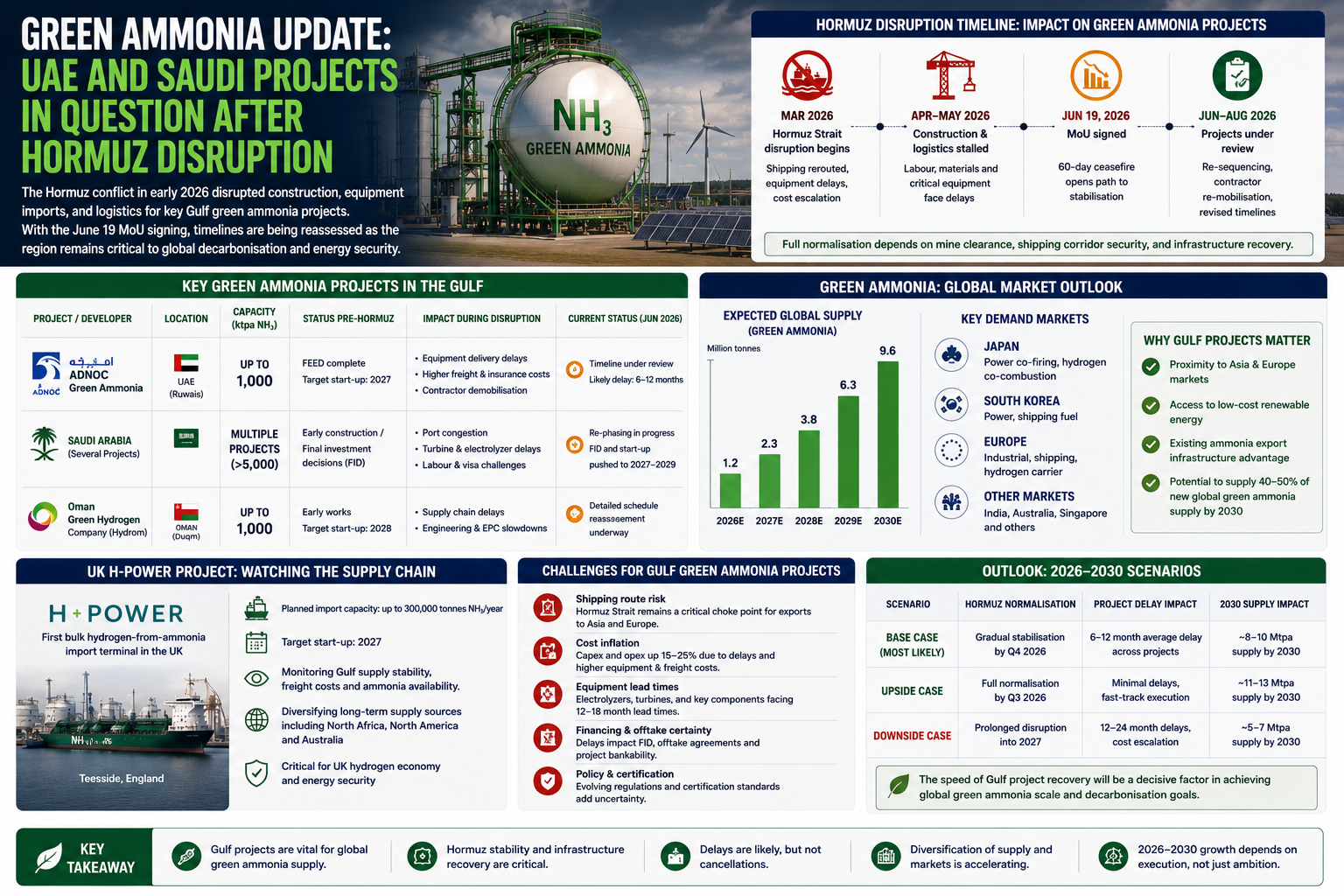
Ammonia Anhydrous CAS: 7664-41-7
Ammonia Anhydrous CAS: 7664-41-7
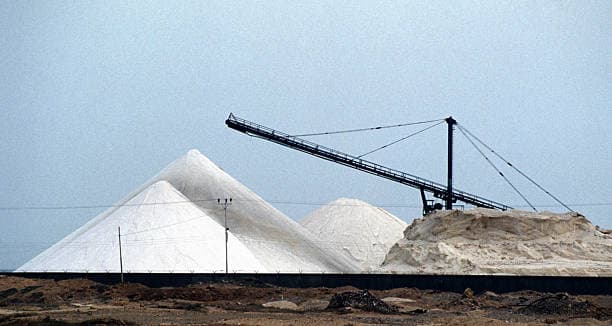
China’s ongoing ban on phosphate exports pushes global fertilizer markets into uncertainty, tightening DAP and MAP supplies, reshaping shipping routes, and forcing buyers to rethink procurement strategies. The ripple effect underscores the fragility of the agricultural input supply chain.

Qatar enters H2 2026 balancing diplomacy, industrial recovery and global investment strategy. As Doha hosts technical negotiations and Ras Laffan begins a long reconstruction process, buyers should monitor Qatar's own commercial decisions for the clearest signals of regional stabilisation.

Qatar sits at the crossroads of geopolitical uncertainty and commercial strain as US‑Iran talks stall and LNG disruptions persist. Chemical buyers now question whether QatarEnergy can honour investment plans and restore export flows while QAFCO navigates force majeure timelines. The outcome will reshape ammonia, urea, and fertilizer pricing across Asia.

China's chemical industry ended H1 2026 as the world's primary swing supplier, filling supply gaps created by disruptions in Gulf exports. As Middle Eastern production steadily returns, procurement teams must determine which Chinese export advantages remain permanent and which were driven by exceptional market conditions.
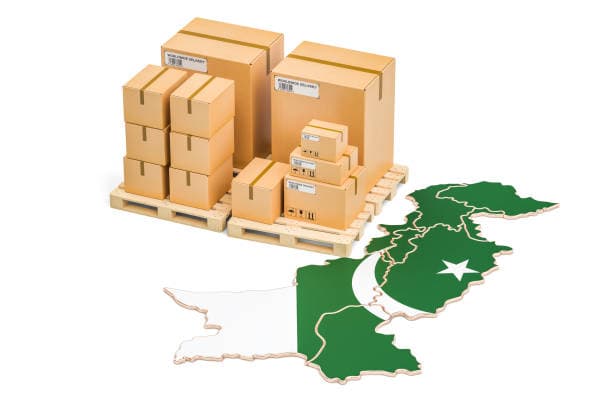
Pakistan’s domestic DAP stock is falling faster than the crop cycle can absorb, forcing the country to look overseas for phosphate sources. By Q3 2026, market analysts predict a surge in imports to meet the growing demand. This article breaks down the key drivers and implications for the fertilizer sector.

India’s DAP inventory climbed to 1.96 Mt in May 2026, creating a strategic buffer that could soften future import demand. This hidden stockpile may shift market dynamics, influencing phosphate fertilizer prices and supply chains.
We're committed to your privacy. Tradeasia uses the information you provide to us to contact you about our relevant content, products, and services. For more information, check out our privacy policy.