
Related Insights

Retailer Dye Removal Pledges: What 2026‑2027 Deadlines Mean for Food Manufacturers
Retailers are tightening their standards on synthetic food dyes, setting 2026‑2027 deadlines that force manufacturers to reexamine ingredient sourcing and reformulation strategies. The shift toward natural colorants and clean‑label compliance reshapes product development, cost structures, and supply chains. This article breaks down the commitments, impacts, and practical steps for food companies.

Nifty Chemicals Index Surge After the US Deal: Which Chemical Stocks Moved and Why
The India-US trade deal triggered a strong rally across the Nifty Chemicals index, with specialty chemical companies leading the gains. Learn which chemical stocks moved, why investors reacted positively and what this means for industry buyers and exporters.
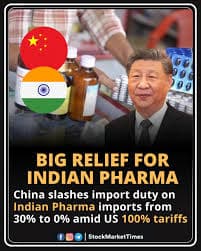
API Manufacturing: India’s Post‑Duty Waiver Scenario Could Affect Pharmaceutical Intermediate Import Costs
India’s recent duty waiver for pharmaceutical intermediates has been a boon for global manufacturers, but the looming end of this policy raises concerns about rising import costs. This article examines the potential impact on API production, supply chains, and pricing strategies for stakeholders in the chemical industry.

Top 5 Countries Whose Chemical Supply Chains Were Most Disrupted by the Hormuz Crisis
The 2024 Hormuz crisis rattled global chemical markets, forcing buyers to rethink sourcing. Japan, India, South Korea, the GCC, and Germany were hardest hit, with soaring costs, shortages, and a shift toward diversified procurement. Read how each region adapted its strategy.
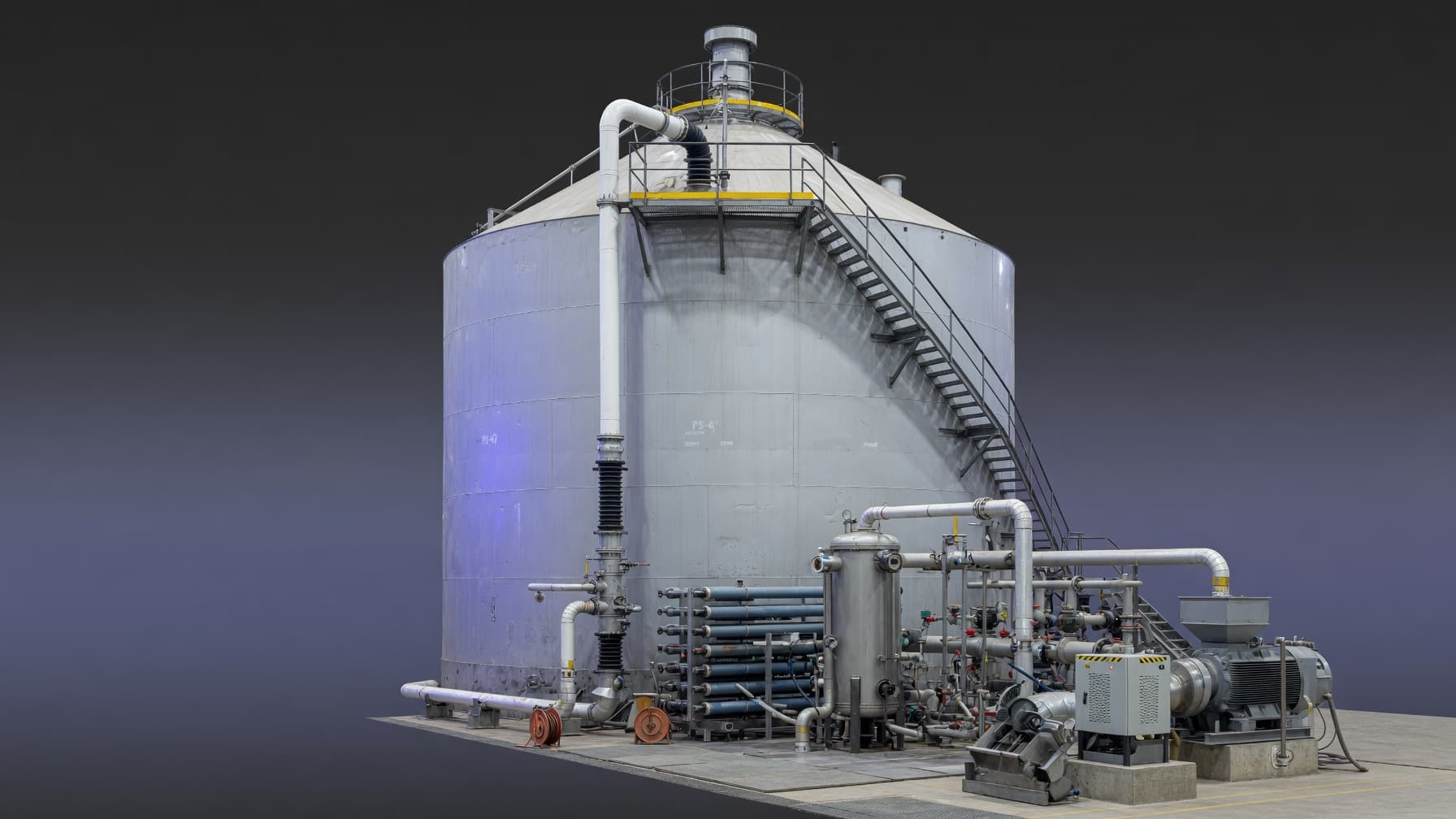
Polystyrene Market Outlook 2026: INEOS Channahon Closure Signals Supply Restructuring
The polystyrene market is entering another phase of capacity adjustment after INEOS Styrolution announced the closure of its Channahon plant in Illinois. Buyers should monitor supply availability, regional production shifts and global oversupply trends affecting pricing.
Hormuz Reopening: 500 Vessels Backlogged, Mines Uncleared — Why Chemical Buyers Shouldn't Rush to Cancel Safety Stock
The Hormuz ceasefire agreement has improved sentiment, but supply chain conditions remain far from normal. Vessel congestion, mine clearance operations and production restart delays mean chemical buyers should maintain elevated inventory levels for now.
Don't miss out on our updates! Subscribe to our newsletter now
We're committed to your privacy. Tradeasia uses the information you provide to us to contact you about our relevant content, products, and services. For more information, check out our privacy policy.