The US Gulf Coast chemical network is under renewed pressure following Tropical Storm Arthur, which made landfall in Texas and disrupted one of the most important petrochemical regions in North America. The formaldehyde and solvents market outlook for 2026 is now closely tied to post-storm recovery timelines across refineries, LNG facilities and chemical production hubs.
The Texas-Louisiana corridor, including Port Arthur, Lake Charles and Freeport-Brazoria County, plays a central role in global chemical supply chains. Even short-term disruptions in this region can influence pricing, logistics and availability for key industrial chemicals.
For formaldehyde and solvent buyers, the immediate concern is not demand destruction but supply uncertainty caused by weather-related operational interruptions.
Gulf Coast Storm Disruptions Affect Chemical Supply Stability
Tropical Storm Arthur brought heavy rainfall and localized flooding across industrial zones in Texas and Louisiana. While wind speeds remained relatively moderate, rainfall levels between 5 and 20 inches created operational challenges for several facilities.
The chemical industry in this region typically prepares for storms through shutdown procedures, inventory adjustments and logistics planning. However, post-storm recovery often determines the duration of supply impacts.
ICIS reporting indicates that hurricanes and tropical storms frequently lead to:
Pre-emptive shutdown of chemical plants for safety reasons.
Delayed restarts due to infrastructure inspection requirements.
Temporary logistics bottlenecks at ports and terminals.
Feedstock and utility interruptions affecting production.
Even when damage is limited, recovery timelines can extend supply disruptions beyond the storm event itself.
Formaldehyde Supply Chain Exposure in the Gulf Coast Region
Formaldehyde production is heavily integrated into downstream chemical manufacturing clusters across the United States. The Gulf Coast region plays an important role due to its proximity to methanol supply, energy infrastructure and industrial demand centers.
Formaldehyde, also known in concentrated form as formalin, is widely used in resins, adhesives and industrial materials.
Key exposure factors include:
Dependence on methanol feedstock availability.
Sensitivity to energy and utility interruptions.
Integration with downstream resin production facilities.
Logistics dependence on Gulf Coast ports and terminals.
Any disruption in the Texas-Louisiana corridor can quickly affect regional supply balance.
Solvent Markets React to Infrastructure and Logistics Pressure
Solvents, including industrial-grade alcohols and hydrocarbon-based materials, are widely used across manufacturing, coatings and chemical processing industries.
The Gulf Coast disruption affects solvent markets primarily through logistics and production interruptions rather than direct demand changes.
Market participants are monitoring:
Port operations and shipping delays.
Storage capacity constraints.
Transportation disruptions due to flooding.
Plant restart schedules across refinery-linked facilities.
These factors can temporarily tighten availability even when upstream production remains stable.
Texas-Louisiana Chemical Corridor Importance in Global Trade
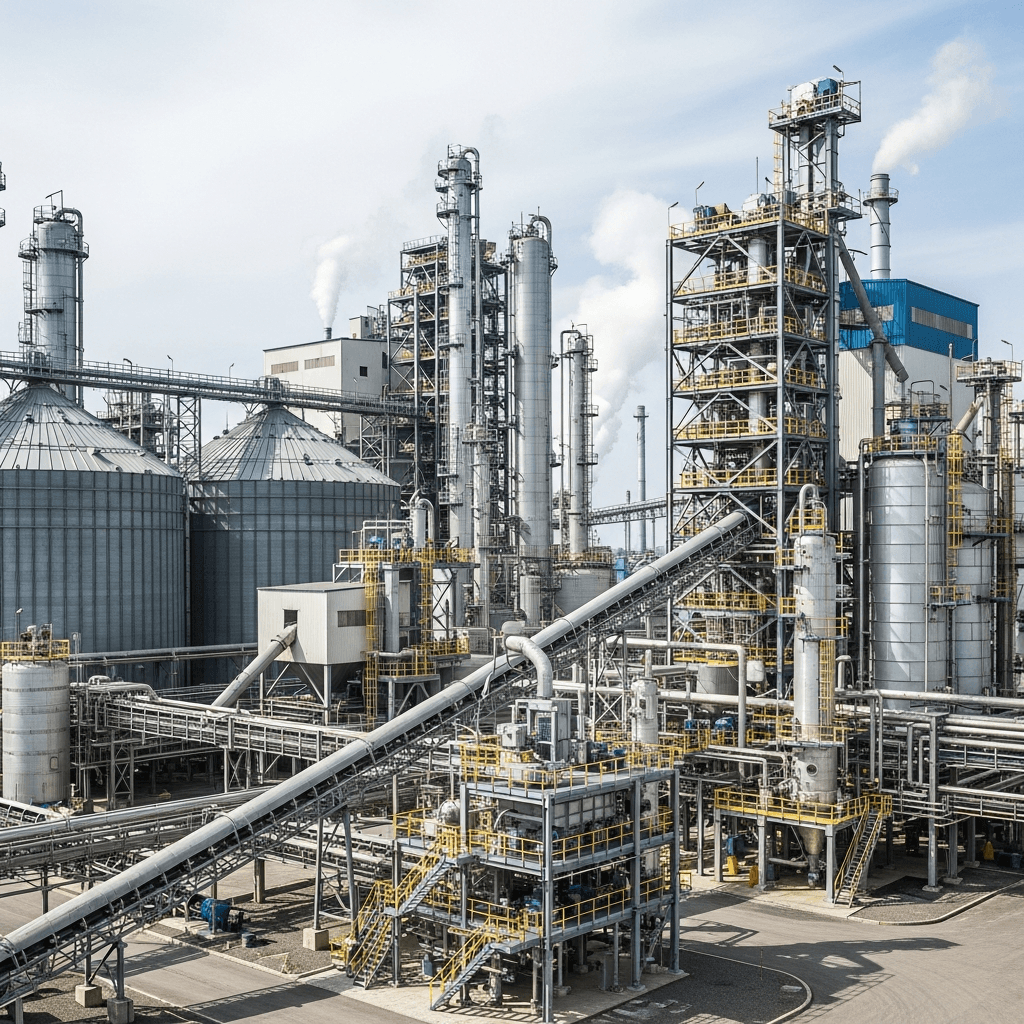
The Texas-Louisiana corridor is one of the most concentrated chemical production zones in the world. It includes refineries, LNG facilities and large-scale petrochemical plants that supply both domestic and export markets.
Key characteristics of this region include:
High concentration of integrated chemical production.
Strong linkage between energy and chemical feedstocks.
Major export infrastructure through Gulf Coast ports.
Close integration with global supply chains.
Disruptions in this corridor often have ripple effects beyond the United States.
Storm Recovery Timeline and Operational Uncertainty
Following Tropical Storm Arthur, several facilities entered assessment and inspection phases. While major operators reported no immediate large-scale operational damage, localized impacts remain under evaluation.
Recovery typically depends on:
Extent of flooding in industrial zones.
Integrity of power and utility systems.
Port and logistics infrastructure status.
Availability of workforce and transport access.
In past Gulf Coast weather events, full normalization has ranged from days to several weeks depending on severity.
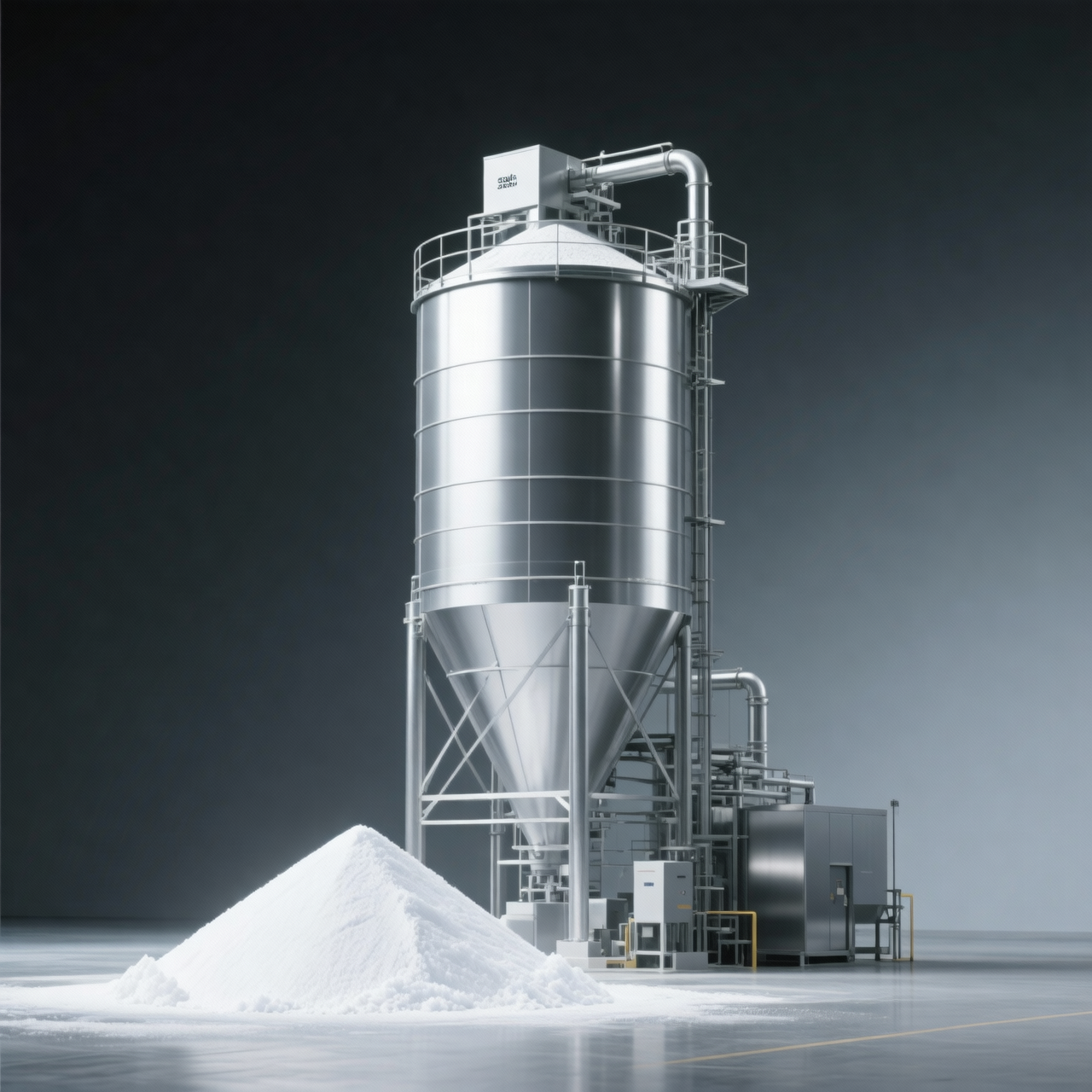
Downstream Impact on Global Formaldehyde Trade
Formaldehyde markets outside the United States may experience indirect effects if Gulf Coast supply constraints persist. Resin producers and downstream users often rely on steady imports and consistent pricing signals from US production hubs.
Potential downstream effects include:
Short-term price volatility in resin-linked products.
Adjustments in import schedules.
Increased reliance on alternative supply regions.
Temporary tightening of spot availability.
However, long-term demand fundamentals remain unchanged unless prolonged outages occur.
Solvent Supply Chain Resilience and Substitution Options
The solvent market has a relatively flexible global supply structure compared with some other petrochemicals. When regional disruptions occur, buyers often adjust sourcing across different origins.
Common response strategies include:
Shifting procurement to alternate US Gulf suppliers.
Increasing imports from Asia or Europe where feasible.
Drawing from inventory buffers during disruption periods.
Adjusting contract timing to avoid peak disruption exposure.
This flexibility helps limit long-term market imbalance.
Procurement Risks for Chemical Buyers in H2 2026
The storm highlights how environmental events continue to influence chemical procurement risk profiles. Even moderate storms can trigger cascading effects across logistics and production networks.
Key risks include:
Infrastructure downtime following flooding events.
Port congestion and shipping delays.
Insurance and safety inspection requirements.
Feedstock interruptions in integrated facilities.
Procurement teams should incorporate weather-related disruption risk into sourcing strategies, especially for Gulf Coast-dependent supply chains.
What Buyers Should Focus on During Recovery Phase
As post-storm assessments continue, the main focus for buyers is tracking restoration timelines rather than reacting to short-term pricing signals. The Gulf Coast chemical system is highly resilient, but recovery speed varies by facility and infrastructure condition.
For formaldehyde and solvent buyers, maintaining flexible sourcing strategies and monitoring multiple supply origins will be critical during the recovery window.
Companies that diversify procurement and maintain inventory planning buffers will be better positioned to handle short-term volatility.
Ready to source Formaldehyde or Industrial Solvents from verified global suppliers? Explore competitive offers on our platform today.
Melamine Formaldehyde (Melamine) CAS: 9003-01-08 00:00:00