
Citrus Pulp CAS: 94266-47-4
Citrus Pulp CAS: 94266-47-4
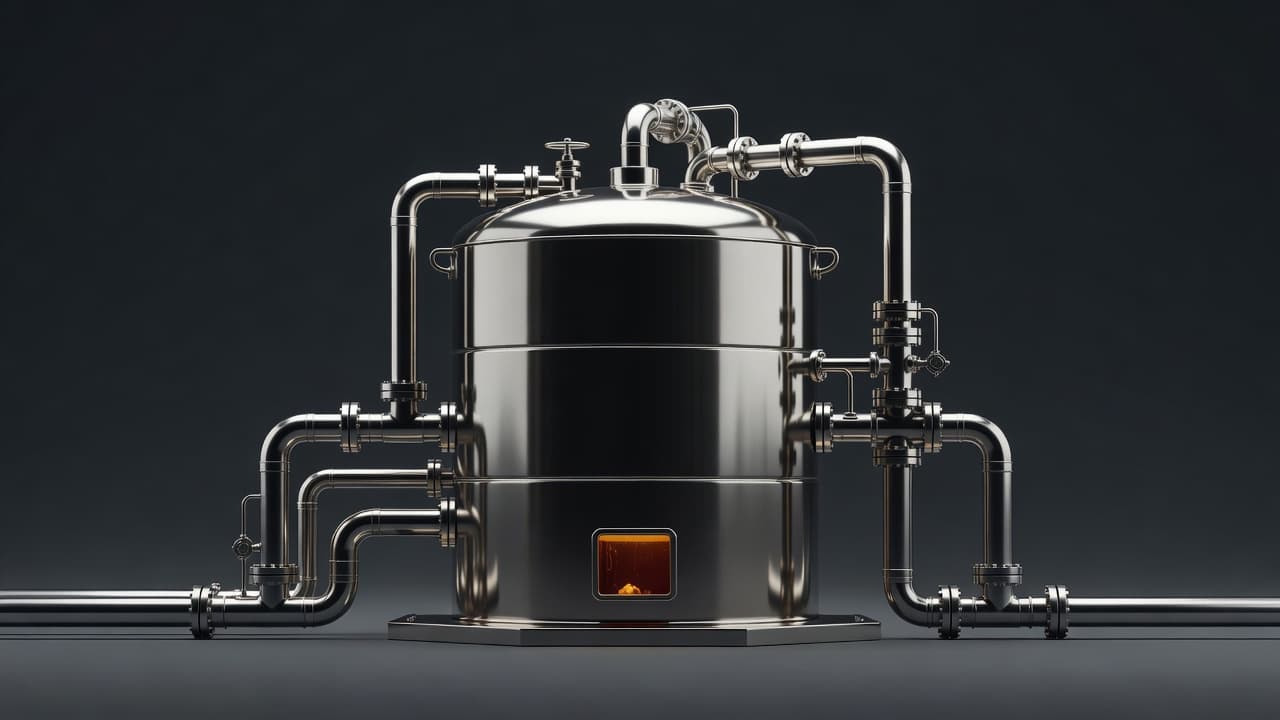
Chinese refining and chemical producers sharply increased price quotations for aromatics and alcohols on July 1, 2026, creating fresh challenges for downstream manufacturers and procurement teams. Buyers should understand what triggered the repricing wave and how it may influence future sourcing strategies.

China became the world's swing supplier during the Hormuz crisis, filling global supply gaps across commodity and specialty chemicals. As Gulf exports recover in H2 2026, Beijing is strengthening domestic chemical manufacturing while international buyers shift toward balanced multi-origin sourcing strategies.
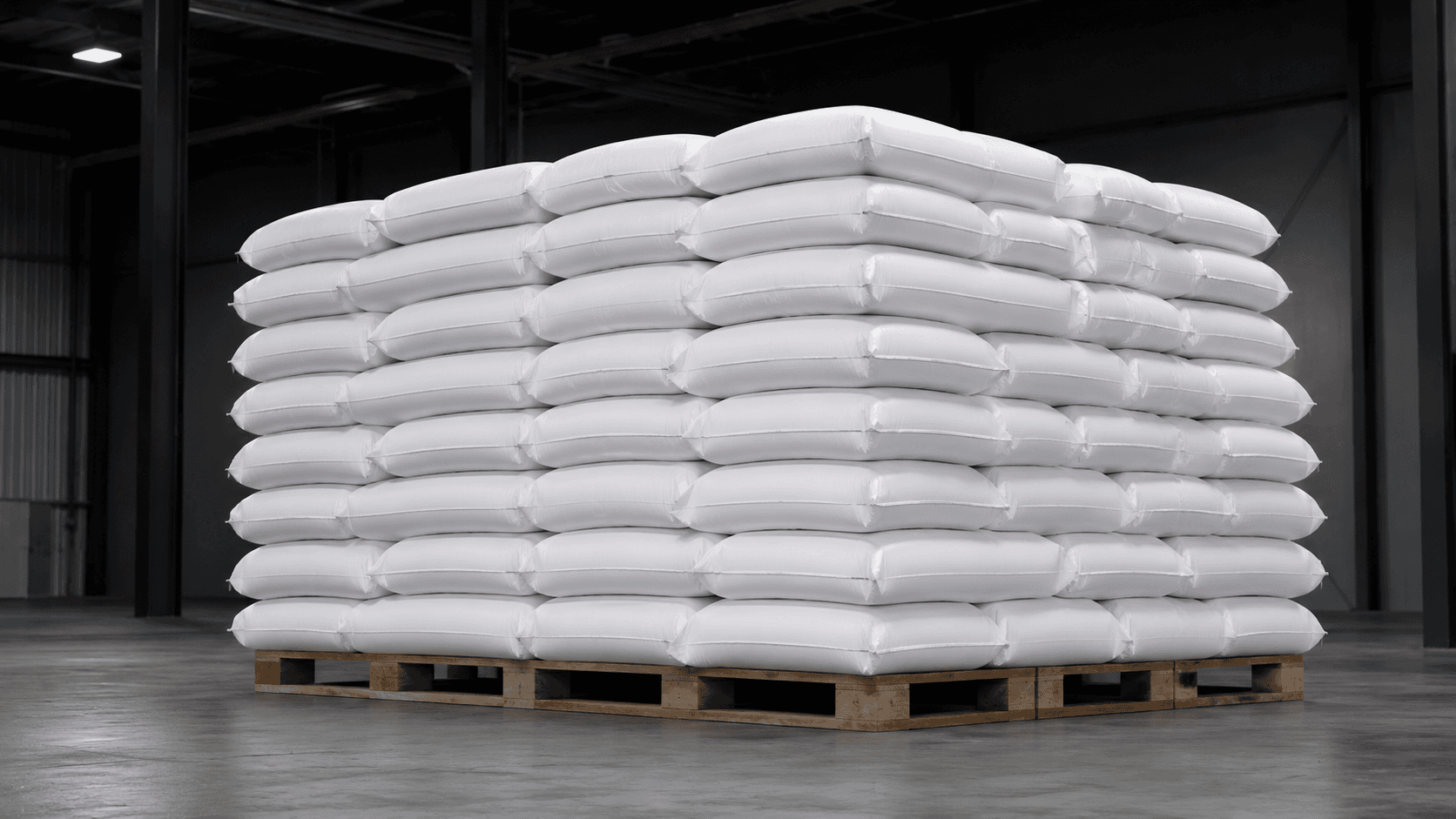
The return of Gulf polymer exports is reshaping global procurement strategies for PE, PP and PVC in Q3 2026. With Gulf, US and Chinese suppliers competing once again, buyers have a rare opportunity to compare multiple origins, negotiate better pricing and strengthen supply security.
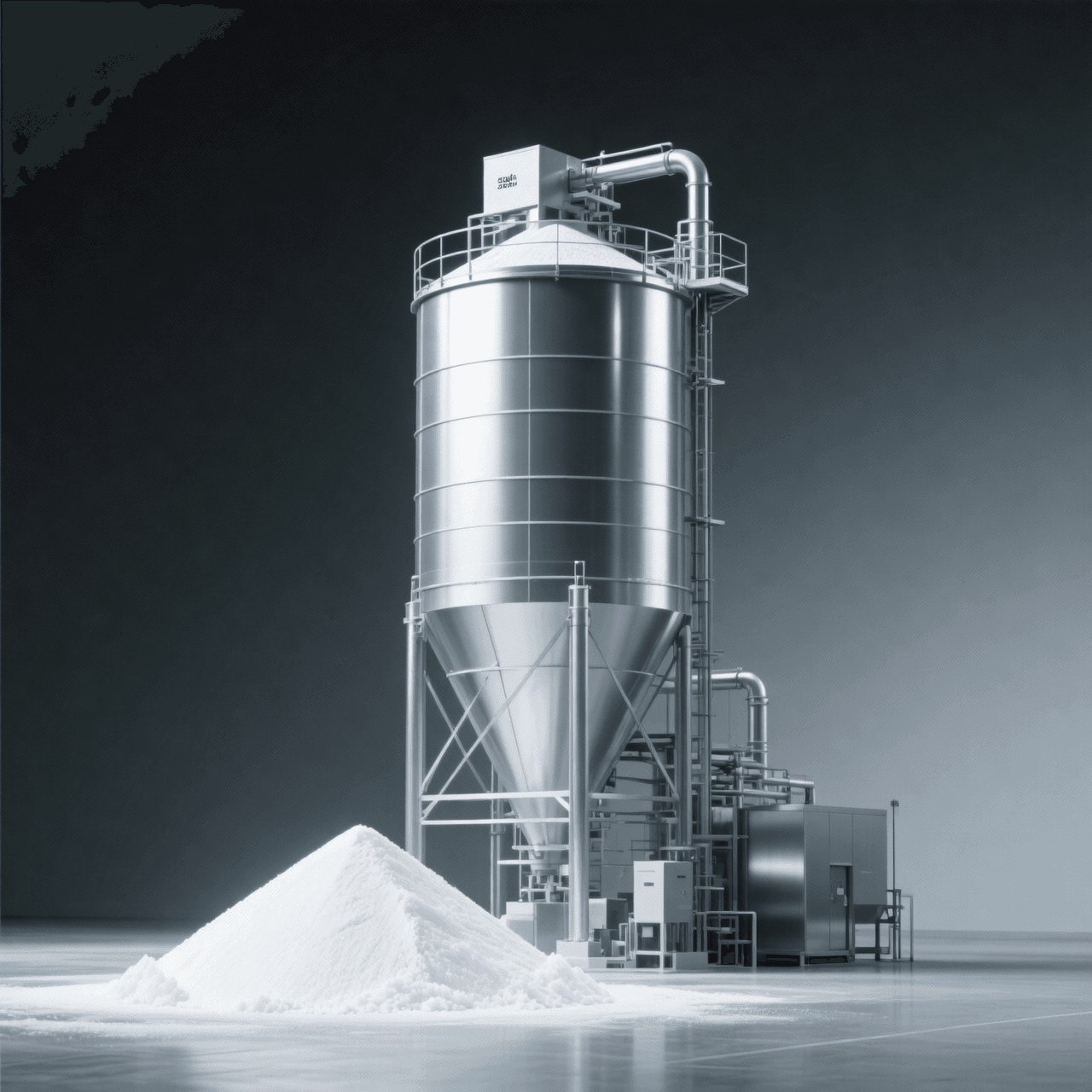
The sulfuric acid market is expected to see changing supply conditions as Middle East sulfur availability improves after Hormuz disruptions. Fertilizer and mining buyers should monitor sulfur recovery, energy trends and pricing movements through H2 2026.

The 2026 Hormuz crisis demonstrated that shipping chokepoints are no longer theoretical risks. For chemical buyers, understanding which products depend on vulnerable trade corridors has become essential for procurement planning and supply chain resilience.
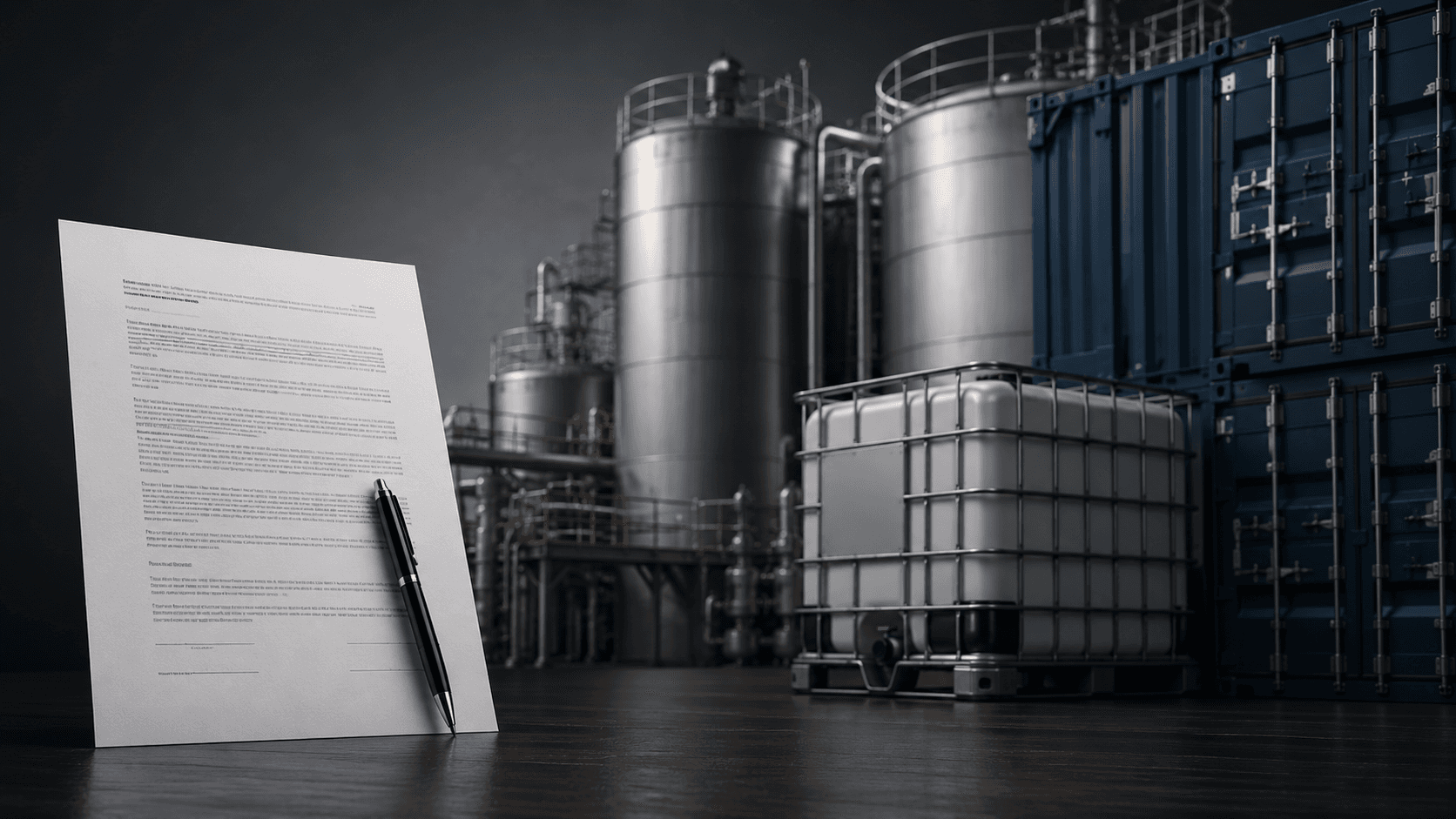
The chemical market shock of 2026 has exposed the risks of relying too heavily on spot purchases. As supply disruptions, tariffs and freight surcharges push prices higher, procurement teams are reassessing the value of long-term contracts for budget protection and supply security.
We're committed to your privacy. Tradeasia uses the information you provide to us to contact you about our relevant content, products, and services. For more information, check out our privacy policy.