
Caprylic Triglyceride CAS: 73398-61-5
Caprylic Triglyceride CAS: 73398-61-5

The July 17 deadline cuts off Iranian oil exports, sending ripples through global energy markets, shipping routes, and chemical supply chains. Analysts warn of price volatility, altered maritime logistics, and a shift in trade flows. Understanding these impacts is crucial for stakeholders worldwide.

The international precursor chemical monitoring system under the United Nations
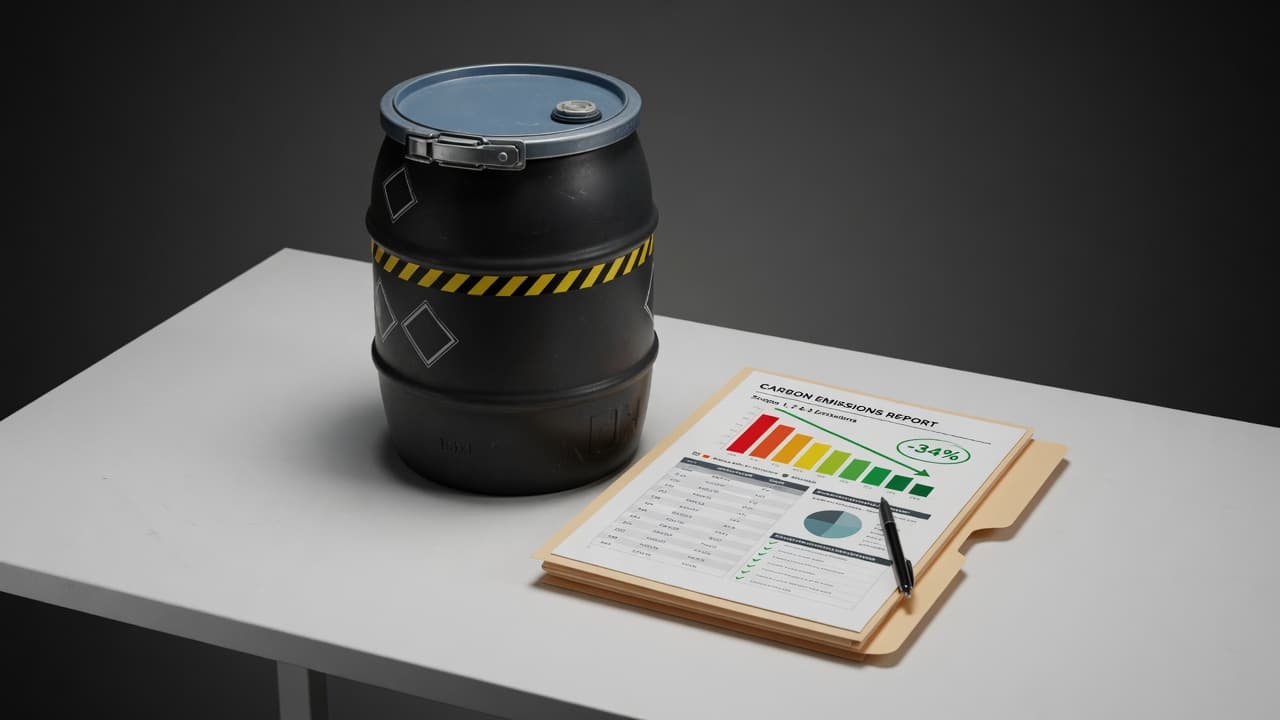
The EU Corporate Sustainability Reporting Directive has increased attention on Scope 3 emissions reporting across chemical supply chains. This guide explains what ESRS E1 actually requires, where mandatory disclosures begin and how procurement teams can separate regulatory obligations from voluntary reporting practices.

India’s acetic acid import duty waiver ends on July 1, creating a new landed cost environment for manufacturers. This analysis explains the impact on textiles, pharmaceuticals, packaging and chemical procurement strategies.

This brief outlines key regulatory shifts—CSRD, CBAM, EUDR, REACH SVHC, and PFAS rules—impacting chemical procurement in the first half of 2026. It also examines Scope 3 emissions accounting, the Hormuz crisis, and emerging supply‑chain resilience strategies shaping H2 decisions.

Iran's Goreh-Jask Pipeline provides an alternative export route for crude oil, but it does not solve the logistics challenge facing petrochemical exports. Chemical buyers evaluating Iranian sourcing opportunities must understand the difference.
We're committed to your privacy. Tradeasia uses the information you provide to us to contact you about our relevant content, products, and services. For more information, check out our privacy policy.