
Related Insights
China's 2025 Export Restrictions Still Echo Through 2026 Fertilizer Logistics
China’s early 2025 export curbs are reshaping global fertilizer flows into 2026, forcing shippers to rethink routes, sourcing and inventory. The ripple effects touch every corner of the supply chain, from African farms to European ports.

Algal Oil and Marine Bio-Based Ingredients: A Hormuz-Independent Supply Strategy for Food Ingredient Buyers
Fermentation-based marine ingredients such as algal DHA, astaxanthin and beta-glucan offer food manufacturers a more resilient supply chain during periods of global shipping disruption. Procurement teams should understand why production geography matters as much as ingredient performance.

TSCA Cybersecurity and Chemical Plant Reporting: The Iranian PLC Advisory's Compliance Implications
Cybersecurity is increasingly intersecting with environmental compliance and operational governance in the chemical industry. Understanding how cyber risk influences facility compliance helps procurement, sustainability and regulatory teams strengthen supplier oversight.

The Red Sea Double Closure and Food Ingredient Logistics: How Two Blocked Corridors Are Reshaping Europe-Asia Supply Chains
The Red Sea double closure continues to reshape food ingredient logistics between Asia and Europe despite improving Gulf shipping conditions. Procurement teams now face longer transit times, higher freight costs and new sourcing strategies as Cape routing remains the only practical option.
Heparin: Dark Tankers and the Chinese API Export Logistics Picture
The Hormuz crisis Wikipedia article confirms widespread use of "dark tankers" — vessels that disable their AIS transponders to avoid tracking
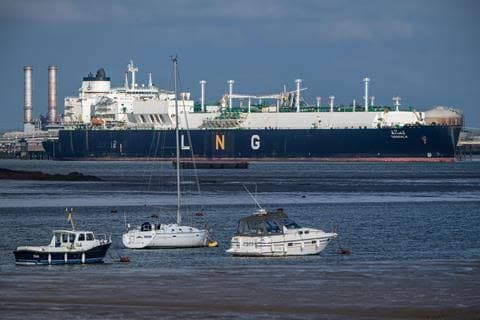
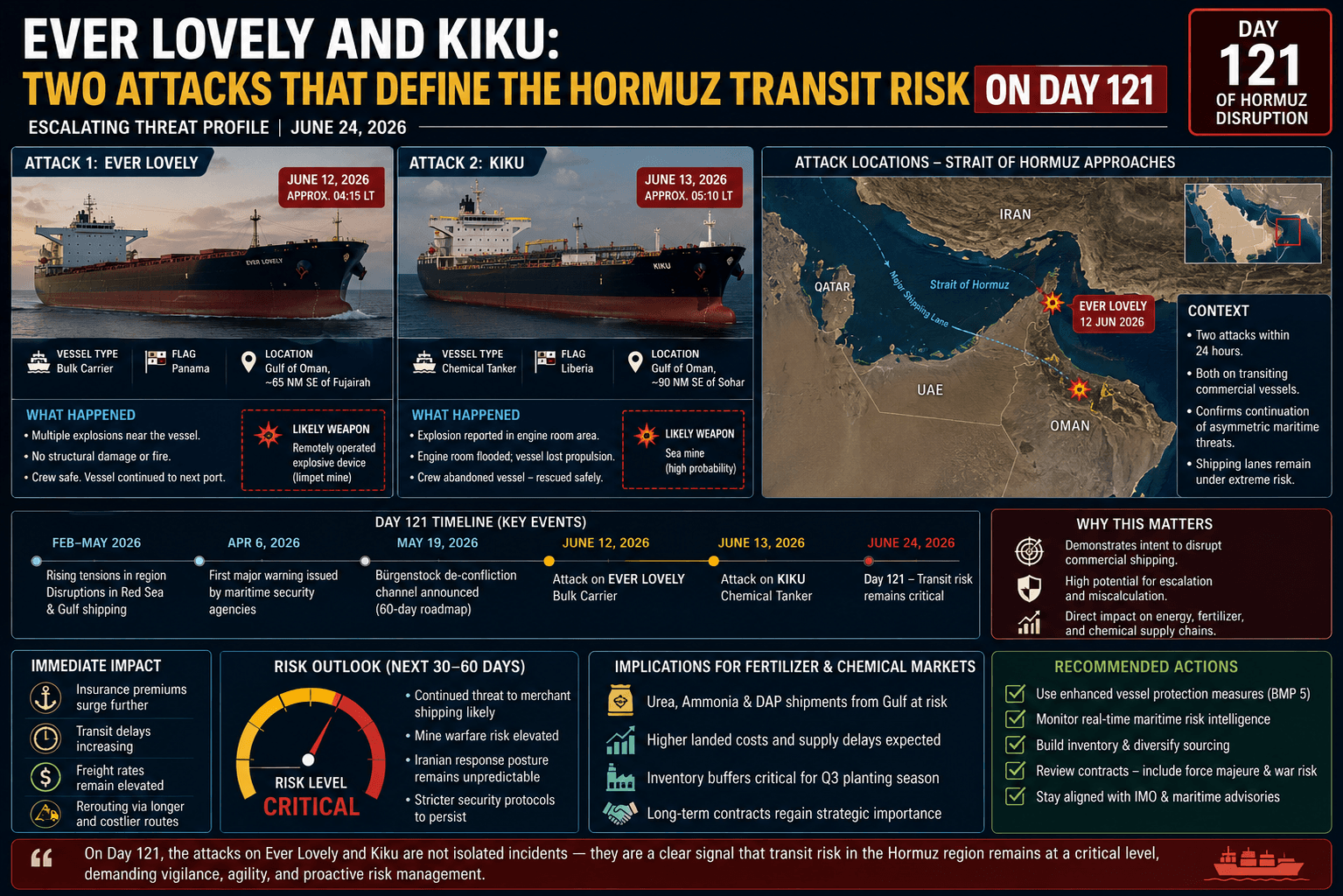
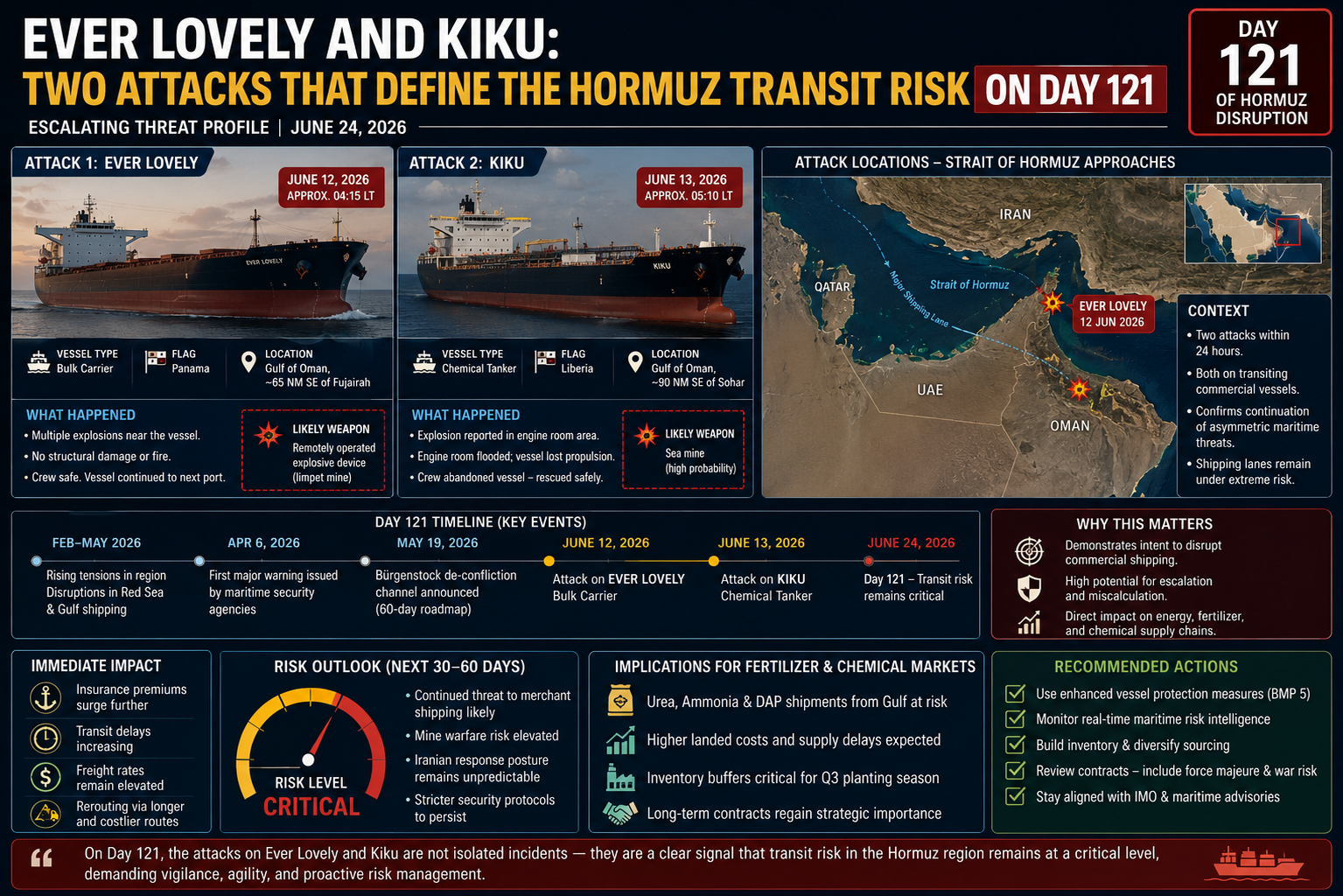
Hormuz De-Confliction Channel: What the Bürgenstock Outcome Means for Chemical Shipping This Week
The establishment of a direct US-Iran de-confliction channel and expanded multinational naval coordination marks the most meaningful improvement in Hormuz shipping security since February. Chemical shippers should reassess risk assumptions—but not eliminate contingency planning.
Don't miss out on our updates! Subscribe to our newsletter now
We're committed to your privacy. Tradeasia uses the information you provide to us to contact you about our relevant content, products, and services. For more information, check out our privacy policy.