

Introduction
The European Union’s 2026 classification of trifluoroacetic acid (TFA) as a reproductive toxin has sent ripples through the specialty coatings and fluorinated solvent sectors. As TFA is a key intermediate in producing perfluoroalkyl substances (PFAS), its new status compels companies to rethink supply chains, product formulations, and compliance strategies—especially in refrigeration and pesticide formulations where fluorinated additives have been a staple.
Why TFA Matters to Specialty Coatings
Specialty coatings rely on fluorinated polymers to deliver high‑performance hydrophobicity, chemical resistance, and low‑surface‑energy finishes. The most common fluorinated building blocks—perfluoroalkyl sulfonic acids and perfluoroalkyl carboxylates—are synthesized via TFA‑based pathways. Regulatory scrutiny of TFA therefore translates directly into a supply‑chain bottleneck for coatings manufacturers.
Reproductive Toxicity and EU Chemical Regulation
Under the EU’s REACH framework, substances identified as reproductive toxins are subject to Authorised Classification, Labelling and Packaging (ACLP). The new TFA classification requires:
Labeling as a reproductive toxin
Mandatory safety data sheets with specific hazard statements
Restricted use in products marketed within the EU
These rules increase compliance costs and risk of market withdrawal for products containing TFA or its derivatives.
Impact on Fluorinated Solvents
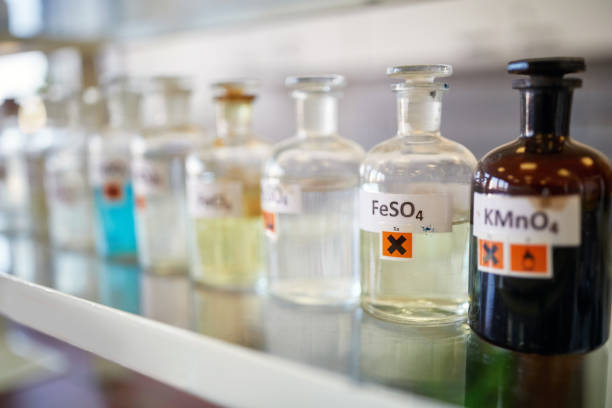
Fluorinated solvents—used as degreasers, thin‑film solvents, and process aids—often contain TFA‑derived fluorinated intermediates. The classification forces solvent producers to:
Audit raw material sources for TFA content.
Seek alternative synthesis routes, such as direct fluorination of alkenes.
Reformulate end products with lower PFAS footprints.
Resultingly, solvent prices have spiked by 12% on average, and several small‑to‑midscale manufacturers have exited the market.
Refrigerant and Pesticide Sectors: A Dual Challenge
Refrigerant additives and pesticide formulations have historically leveraged fluorinated compounds for their low viscosity and high chemical stability. The TFA classification complicates:
Design of refrigerant blends that meet R‑22 alternatives.
Formulation of pesticide emulsions where PFAS solvents provide uniform dispersal.
Companies are now exploring non‑fluorinated surfactants and biodegradable esters to replace traditional fluorinated components.
Coating Reformulation Strategies
Manufacturers are adopting several tactics to navigate the new regulatory landscape:
1. PFAS‑Free Polymer Development
Investment in polyether or polysiloxane coatings that mimic fluorinated performance without PFAS content.
2. Reduced PFAS Concentration
Designing formulations that use below 0.1 % PFAS by weight, leveraging synergistic additives to maintain durability.
3. Supply‑Chain Transparency
Implementing chain‑of‑custody documentation to prove non‑TFA content, enabling compliance audits and market access.
4. Green Chemistry Partnerships
Collaborating with academic and industrial partners to create bio‑based fluorine‑free monomers that deliver comparable performance.
Case Study: A European Coating OEM

One leading OEM reduced its TFA‑derived fluorinated polymer content from 3.5 % to 0.05 % in 2026 by:
Switching to a silicone‑based primer system.
Adding a proprietary non‑PFAS surfactant blend.
Re‑engineering the curing cycle to accommodate the new primer’s chemistry.
The result was a 15 % drop in raw material cost and full compliance with EU ACLP requirements.
Future Outlook
Regulatory momentum is unlikely to wane. The EU’s PFAS regulation is expected to expand to include broader categories of perfluoroalkyl substances, potentially tightening controls on TFA derivatives further. Companies that pre‑emptively invest in green chemistry and supply‑chain traceability will gain a competitive edge.
In the next 12–18 months, reformulation R&D will focus on:
High‑performance fluorine‑free coatings for extreme temperature applications.
Solvent‑free or low‑solvent processes that eliminate the need for TFA‑based intermediates.
Cross‑industry collaboration to standardize PFAS‑free performance metrics.
By aligning product innovation with evolving EU chemical regulation, specialty coatings and fluorinated solvent manufacturers can not only survive but thrive in a rapidly changing market.