Rising Raw Material Costs Upside‑Down the NPK Bottom Line
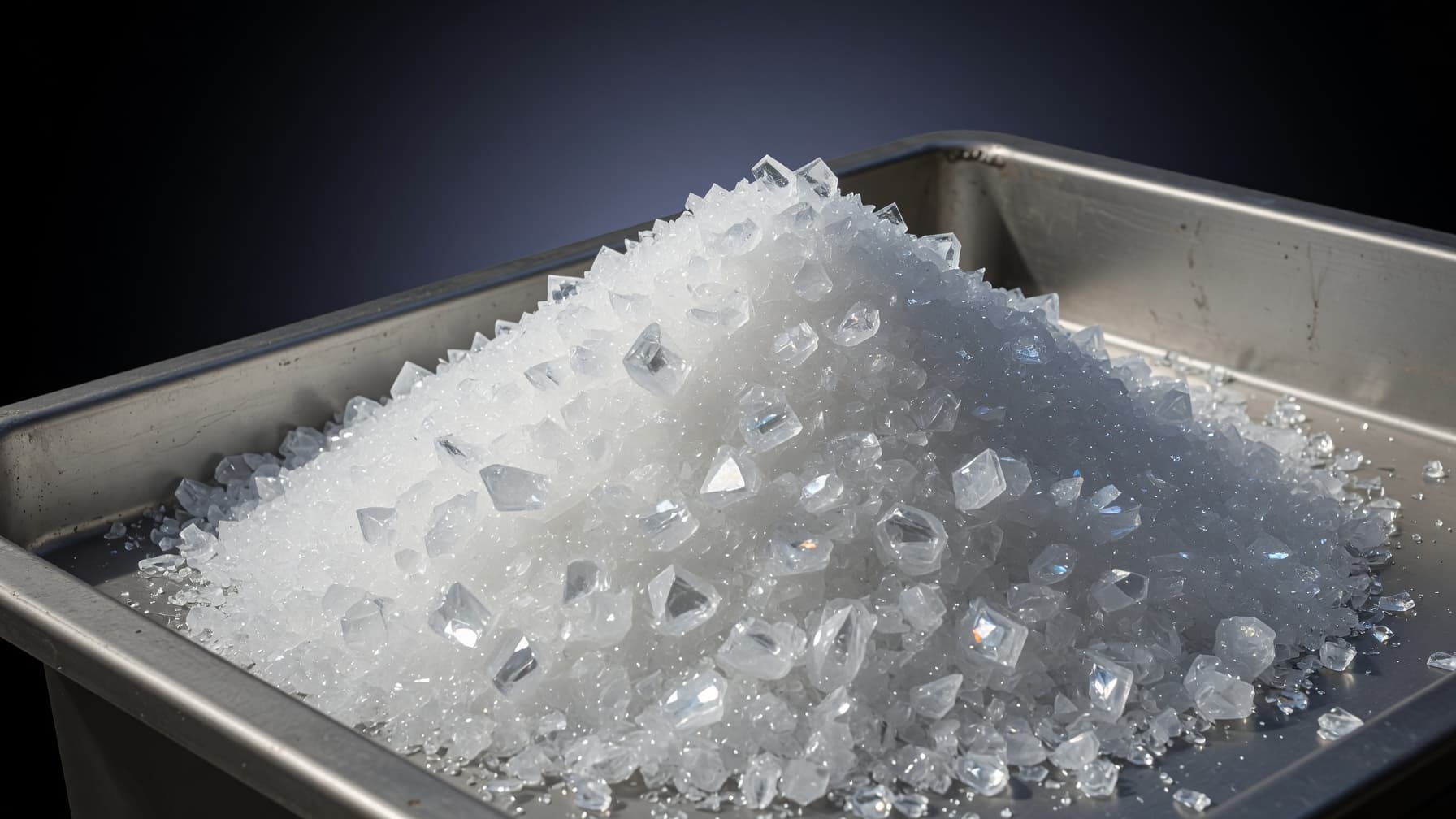
Global demand for NPK (nitrogen‑phosphorus‑potassium) fertilizers has remained robust, yet the cost of its three core components has surged. Nitrogen, largely derived from natural gas through the Haber‑Bosch process, has seen a 15‑20% jump in feedstock prices. Phosphate rock, the primary source of phosphorus, has been subject to geopolitical tensions and export controls, pushing prices upward by roughly 12%. Potash, the key potassium source, is constrained by limited production capacity in major producing countries, resulting in a 10% price increase.
Impact on Fertilizer Blenders and Buyers
Blenders, the manufacturers that combine the three nutrients into ready‑to‑use products, face slimmer profit margins as input costs climb. Many have shifted to higher‑grade, premium products to offset losses, but the price sensitivity of end‑users—especially in price‑constrained emerging markets—limits this strategy. Buyers, ranging from large agribusinesses to small‑holder cooperatives, are forced to negotiate tighter contracts or seek alternative inputs such as bio‑fertilizers or precision‑application technologies.
Margin Compression Illustrated
Consider a mid‑size blender that previously sold 100 t of NPK at a gross margin of 12%. With a 15% rise in nitrogen cost alone, the new margin can drop to around 8%, all else equal. When phosphate and potash price hikes are factored in, the margin may shrink further to 5‑6%. This compression forces companies to revisit their cost structures, explore automation, and negotiate long‑term feedstock contracts.
Supply Chain Disruptions Amplify Cost Volatility
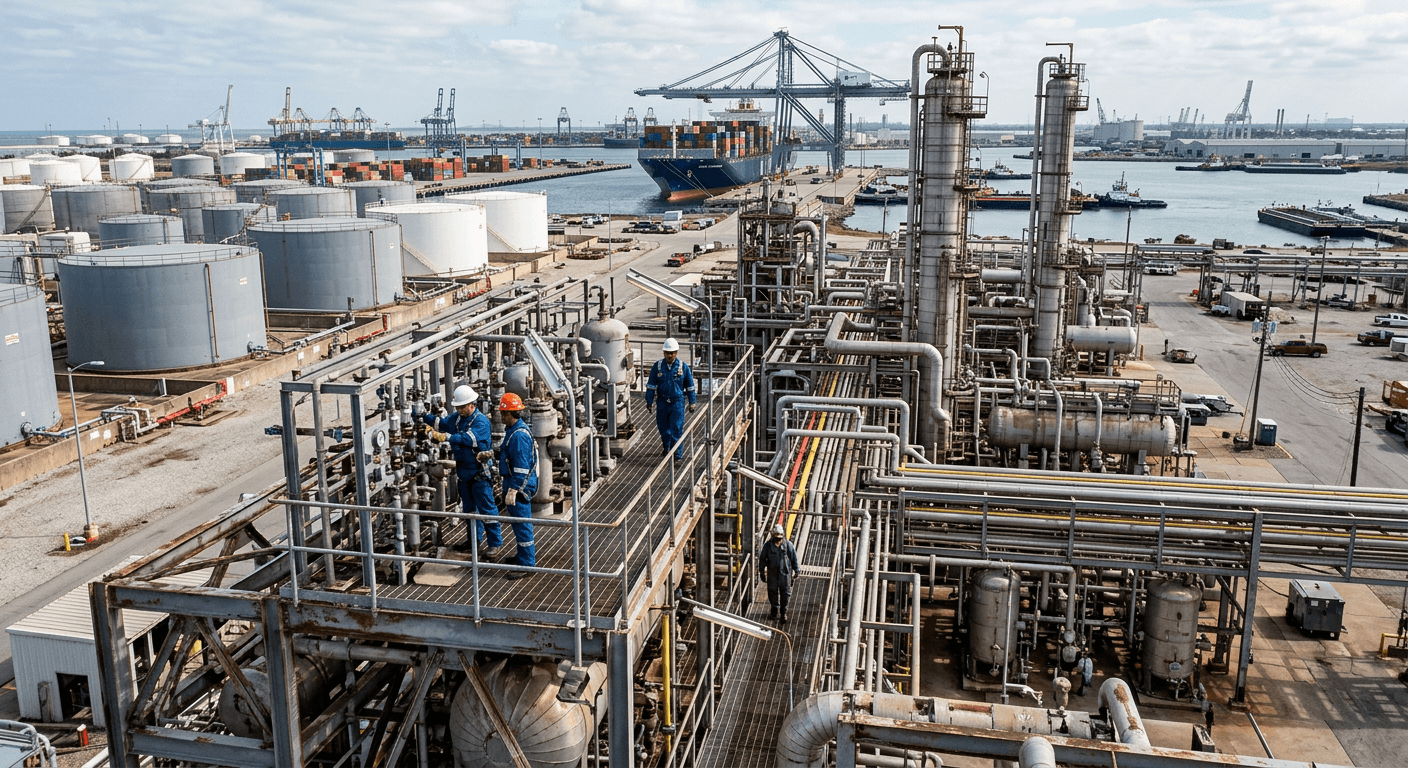
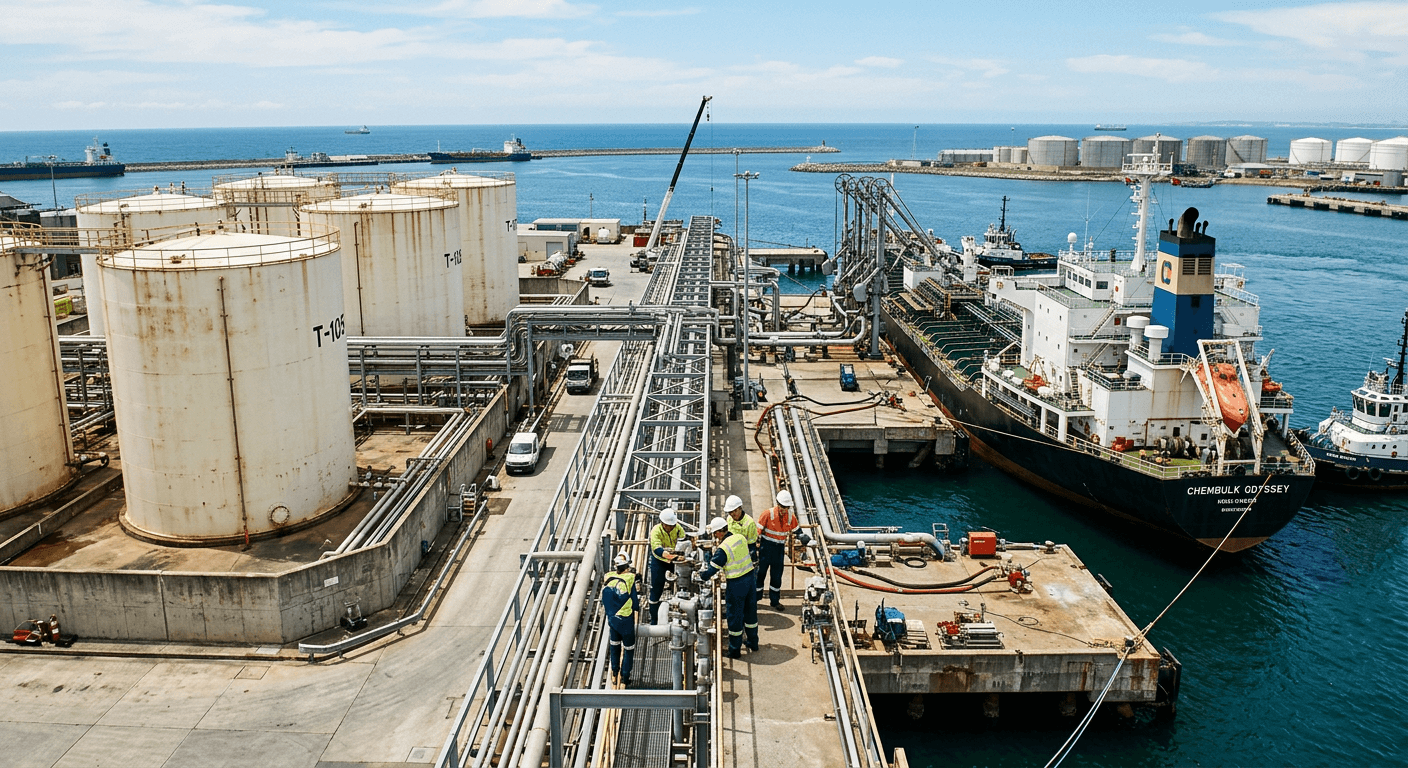
The fertilizer supply chain has become increasingly fragile. Port congestion, rail bottlenecks, and energy price spikes disrupt the timely delivery of bulk chemicals. In addition, the shift toward green ammonia production—though environmentally beneficial—introduces new capital costs that are passed on to end‑users. The cumulative effect is a less predictable cost base, which complicates pricing strategies and risk management.
Risk Mitigation Strategies
Strategic Stockpiling: Blenders are maintaining higher inventory levels of key raw materials to hedge against short‑term price spikes.
Long‑Term Contracts: Locking in supply agreements with fixed pricing helps stabilize cost inputs over 3‑5 year horizons.
Value‑Added Services: Offering precision‑fertilizer application advice and data analytics can justify premium pricing to buyers.
Diversification: Investing in alternative nutrient sources, such as recycled phosphates or green potash, reduces dependency on traditional feedstocks.
Regulatory Landscape and Its Economic Implications
Governments worldwide are tightening environmental regulations to curb nitrogen and phosphorus runoff, which can affect fertilizer formulations and pricing. For example, the European Union’s Ecodesign Directive requires lower nitrogen emissions, pushing manufacturers toward lower‑nitrogen, higher‑potassium blends. While these regulations benefit the environment, they also alter the cost dynamics: lower nitrogen content can reduce material costs but may require more potash, which is now pricier.
Future Outlook for the NPK Market
Price Stabilization: As energy prices normalize post‑pandemic, nitrogen costs are expected to moderate, easing some pressure on margins.
Innovation Adoption: Continued investment in precision agriculture and bio‑fertilizers will create new revenue streams.
Supply Chain Resilience: Companies that build flexible logistics networks will better absorb raw material volatility.
Policy Alignment: Proactive engagement with regulators can shape favorable policies and secure incentives for sustainable practices.
In conclusion, the NPK fertilizer market is navigating a complex web of rising raw material costs, supply chain challenges, and regulatory changes. While margin pressure is a current reality, strategic adaptation—through risk mitigation, innovation, and supply chain resilience—can transform these challenges into opportunities for sustainable growth.
Monoammonium Phosphate (Technical) - Morocco CAS: 7722-76-1