
Air Liquide's Semiconductor Gas Deal Signals Broader Industrial Gas Sector Confidence
Introduction
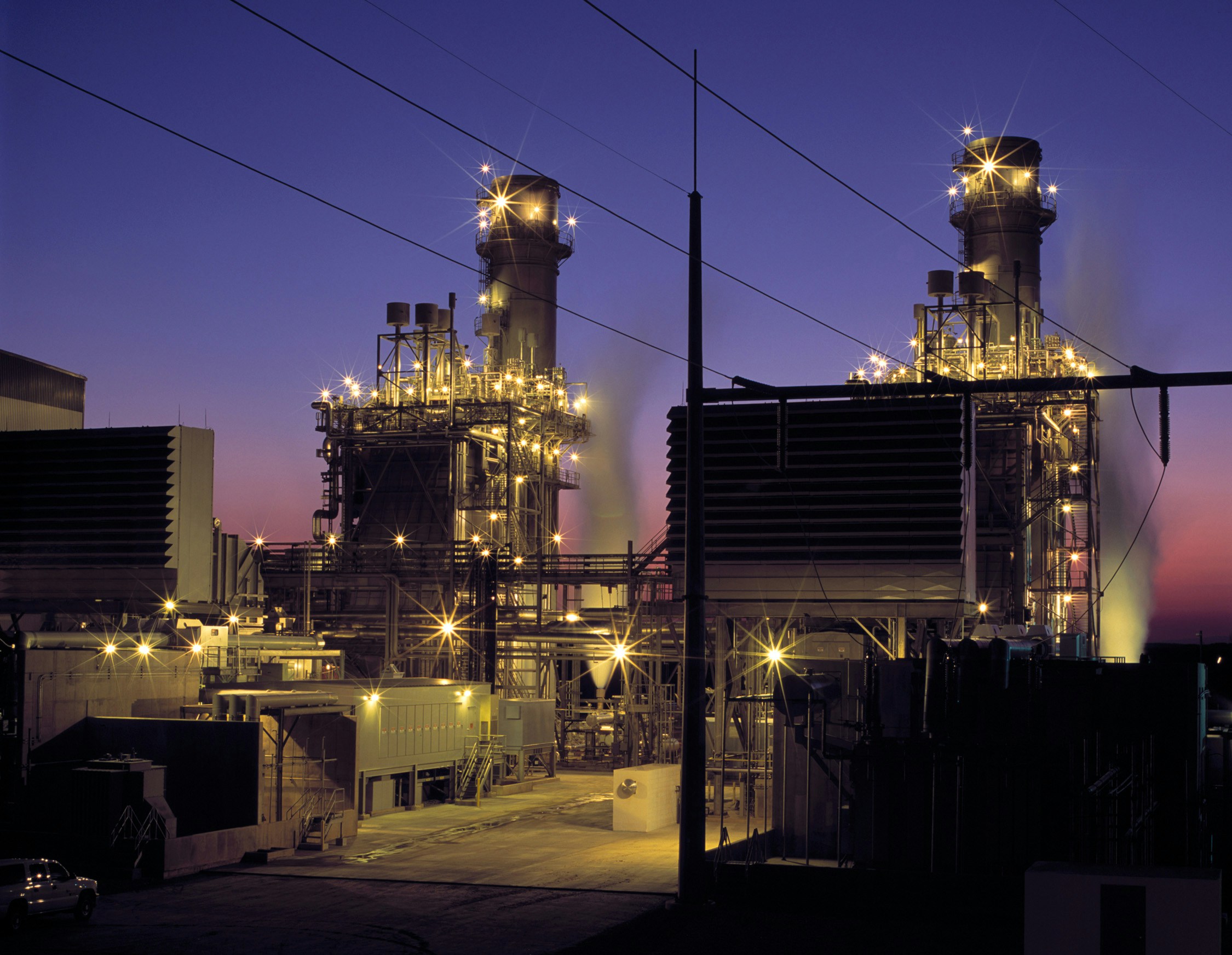
Industrial gases play a fundamental role in modern manufacturing, supporting industries ranging from healthcare and electronics to chemicals and energy. Air Liquide's recent semiconductor gas agreement reflects continued investment in high-purity gas production and highlights growing confidence in the broader industrial gas sector. While the agreement primarily supports semiconductor manufacturing, it also reinforces the importance of industrial gas infrastructure that benefits chemical processing, petrochemical production, and specialty manufacturing.
As global demand for advanced manufacturing continues to rise, investments in industrial gas production and distribution are expected to strengthen supply chain resilience, improve manufacturing efficiency, and support long-term industrial growth.
Why Industrial Gases Are Essential to Manufacturing
Industrial gases are critical inputs for numerous manufacturing processes. They are used for chemical reactions, purification, cooling, inerting, welding, and quality control across multiple industries.
Common industrial gases include:
Nitrogen
Oxygen
Hydrogen
Argon
Carbon dioxide
Helium
Specialty electronic gases
Reliable access to these gases ensures consistent production, product quality, and operational safety.
The Growing Demand for High-Purity Gases
The rapid expansion of semiconductor manufacturing has significantly increased the demand for ultra-high-purity industrial gases. These gases are essential for precision manufacturing processes where even trace contaminants can affect product quality.
Key demand drivers include:
Semiconductor Manufacturing
Advanced chip fabrication requires highly purified gases for etching, deposition, cleaning, and other critical production processes.
Chemical Manufacturing
Chemical plants rely on industrial gases for synthesis, oxidation, inert atmospheres, and process optimization.
Pharmaceutical Production
High-purity gases support sterile manufacturing environments, laboratory operations, and quality assurance.
Clean Energy Applications
Hydrogen, oxygen, and other industrial gases continue to play an expanding role in renewable energy, fuel production, and carbon reduction technologies.
Benefits for the Broader Chemical Industry
Continued investment in industrial gas infrastructure creates several advantages beyond the semiconductor sector.
These include:
Stronger Supply Chain Reliability
Expanded production capacity improves the availability of critical gases for industrial customers.
Greater Manufacturing Efficiency
Reliable gas supplies help manufacturers maintain stable production and reduce operational interruptions.
Support for Industrial Innovation
Advanced gas technologies enable the development of new manufacturing processes and higher-performance products.
Improved Operational Safety
Modern gas handling systems incorporate advanced monitoring and automation technologies that enhance workplace safety.
Digital Technologies Transforming the Industrial Gas Sector
Industrial gas suppliers are increasingly adopting digital technologies to improve operational performance and customer service.
Emerging innovations include:
AI-powered predictive maintenance
Industrial Internet of Things (IIoT)
Remote monitoring systems
Digital asset management
Automated gas distribution networks
Real-time production analytics
Smart supply chain management
These technologies improve equipment reliability, optimize production, and enhance customer responsiveness.
Opportunities for Procurement and Manufacturing Teams
Manufacturers that depend on industrial gases should evaluate supply strategies to ensure long-term reliability and operational resilience.
Key procurement priorities include:
Supplier reliability and production capacity
Long-term supply agreements
Distribution network coverage
Product purity standards
Emergency supply capabilities
Sustainability initiatives
Digital supply chain integration
A diversified sourcing strategy helps reduce operational risk while ensuring uninterrupted production.
Future Outlook
As industries continue to invest in advanced manufacturing technologies, demand for industrial gases is expected to grow steadily. Expanding semiconductor production, clean energy initiatives, pharmaceutical manufacturing, and chemical processing will continue to drive investments in production capacity and infrastructure.
Companies that combine technological innovation, reliable supply networks, and sustainable production practices will be well positioned to meet future industrial demand while supporting resilient global supply chains.
Conclusion
Air Liquide's semiconductor gas agreement demonstrates growing confidence in the long-term outlook for the industrial gas sector. Although the investment primarily supports semiconductor manufacturing, its broader significance extends across chemical processing, pharmaceuticals, energy, and advanced manufacturing industries.
For manufacturers, procurement professionals, and supply chain leaders, continued investment in industrial gas infrastructure signals stronger supply security, improved operational efficiency, and greater opportunities for industrial innovation in the years ahead.
Acesulfame Potassium (E950) CAS: 55589-62-3