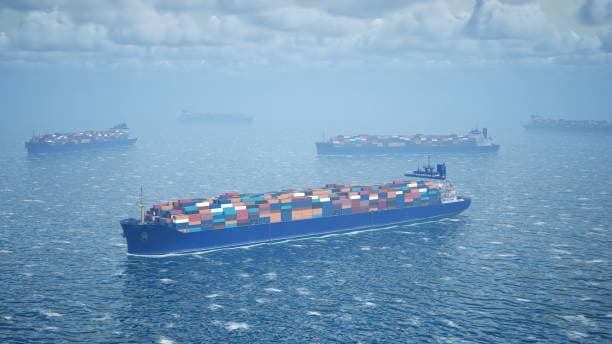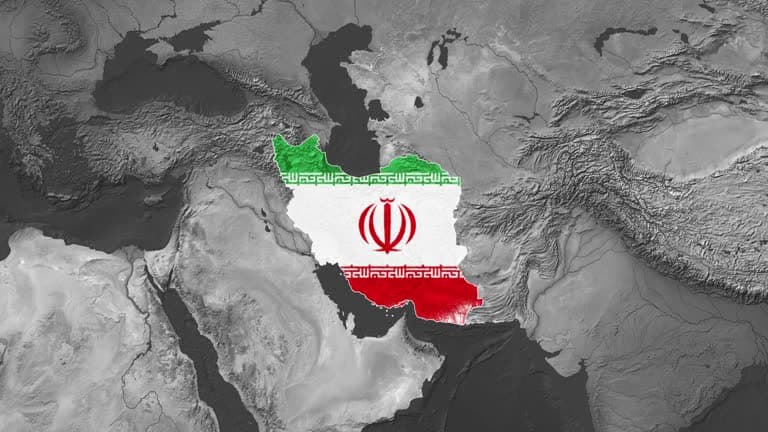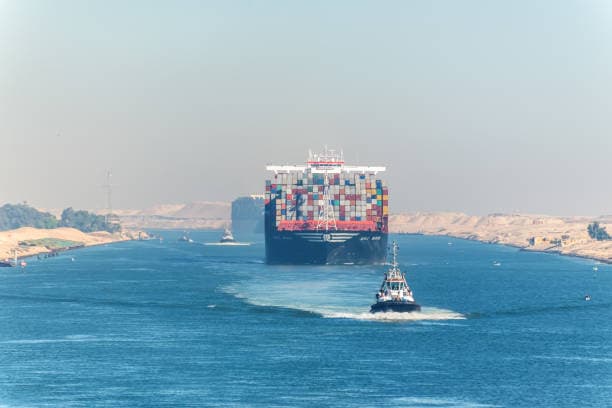

The UAE chemical industry is entering the next stage of its recovery as export logistics gradually improve following months of disruption in the Strait of Hormuz. While production capacity has remained largely intact, the challenge is no longer manufacturing—it is adapting to a new shipping environment where transportation costs, security measures, and routing requirements may permanently differ from pre-crisis conditions.
For international buyers, the key procurement question is no longer simply whether UAE chemical exports have resumed, but what the new landed cost will be. Companies sourcing petrochemicals, polymers, and fertilizers from the UAE should carefully evaluate updated freight rates, transit costs, and contract terms before finalizing Q3 purchasing decisions.

UAE Chemical Exports Are Gradually Recovering
Chemical exports from the UAE are steadily increasing as shipping activity resumes.
Major export sectors include:
Polyolefins
Petrochemicals
Fertilizers
Industrial chemicals
Base chemicals
Although export volumes are improving, logistics remain more complex than before the disruption.
A New Operating Environment for the Strait of Hormuz
The recovery of Gulf shipping does not necessarily mean a return to previous trading conditions.
Importers should monitor potential changes including:
Higher transit charges
Revised shipping routes
Enhanced security procedures
Additional insurance costs
Longer voyage planning
These factors may continue influencing delivered chemical costs throughout the second half of 2026.
Logistics Costs Become a Procurement Variable
Historically, buyers focused primarily on product pricing.
Today, procurement teams should evaluate the complete delivered cost, including:
Product price
Ocean freight
Marine insurance
Port handling
Transit charges
Inland transportation
Comparing total landed cost provides a more accurate basis for supplier selection.
Polyolefins Remain a Strategic Export
The UAE continues to be an important supplier of:
High Density Polyethylene (HDPE)
Low Density Polyethylene (LDPE)
Linear Low Density Polyethylene (LLDPE)
Polypropylene (PP)
These materials remain essential for:
Packaging
Construction
Consumer goods
Industrial manufacturing
Automotive applications
As logistics improve, buyers can expect increased availability while continuing to monitor transportation costs.
Fertilizer and Petrochemical Trade Continues to Recover
In addition to polymers, UAE exporters continue supplying global markets with:
Urea
Ammonia
Methanol
Sulfur
Base petrochemicals
International demand remains healthy, particularly across Asia, Africa, and Europe.
Procurement teams should continue monitoring freight developments alongside product pricing.
Procurement Strategy for Q3 2026
Chemical buyers should update purchasing strategies as Gulf logistics evolve.
Recommended actions include:
Request CFR and CIF quotations.
Compare landed costs from multiple origins.
Review freight adjustment clauses.
Confirm shipment schedules.
Verify insurance coverage.
Diversify supply sources where appropriate.
Understanding total procurement cost will become increasingly important throughout Q3.
Urea (Granular) - Egypt CAS: 57-13-6
Supply Chain Flexibility Remains Essential
The events of 2026 have reinforced the value of diversified sourcing.
Companies can strengthen supply resilience by:
Maintaining multiple approved suppliers.
Monitoring logistics developments.
Building strategic inventory.
Reviewing transportation risks.
Negotiating flexible commercial terms.
Supply chain agility remains a competitive advantage even as regional exports recover.
Market Outlook
The UAE chemical sector is expected to strengthen throughout the second half of 2026 as export activity gradually returns to more stable levels. Strong production capacity, integrated petrochemical infrastructure, and continued investment in downstream manufacturing position the country as a major supplier to international markets.
However, procurement decisions will increasingly depend on total landed cost rather than product price alone. Changes in shipping procedures, freight costs, insurance requirements, and possible transit-related expenses will remain important considerations for buyers sourcing UAE-origin chemicals. Companies that regularly compare delivered costs, diversify suppliers, and negotiate flexible logistics arrangements will be best positioned to manage procurement risks during the evolving recovery period.
Key Takeaways
UAE chemical exports are steadily recovering during Q3 2026.
Logistics costs remain a major factor in procurement decisions.
Buyers should evaluate total landed cost rather than product price alone.
Polyolefins and fertilizers remain key UAE export products.
Freight, insurance, and shipping conditions may continue evolving.
Request updated CFR or CIF quotations before placing orders.
Supplier diversification remains an effective risk management strategy.
The UAE is expected to remain a leading chemical export hub despite changing logistics conditions.