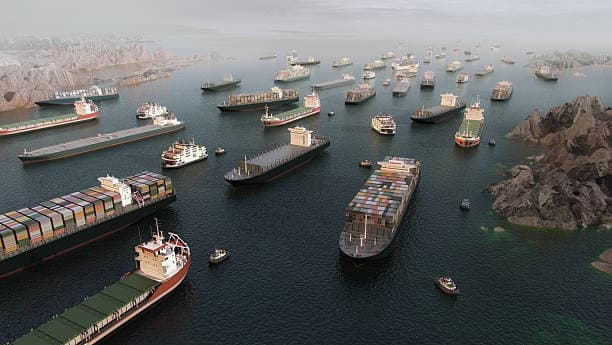

CFR propylene prices in Southeast Asia briefly climbed to $1,500 per tonne during the height of Hormuz-related supply concerns, creating one of the most volatile trading periods the market has experienced in recent years. Although prices have moderated as immediate geopolitical fears eased, uncertainty continues to influence purchasing decisions across the region.
The propylene market sits at the center of numerous industrial value chains. From polypropylene production to chemical intermediates, shifts in propylene availability affect manufacturers, traders and converters throughout Asia. The extension of Vietnam's NSRP force majeure on polypropylene supplies through the second quarter of 2026 added another layer of complexity to an already fragile market environment.
While physical supply constraints played an important role, speculative activity and futures-driven sentiment amplified price movements beyond what underlying consumption patterns alone would justify.
Why Propylene Remains a Strategic Petrochemical Feedstock
Propylene ranks among the most important building blocks in the global petrochemical industry.
Manufacturers convert propylene into a wide range of products that support packaging, automotive manufacturing, consumer goods, healthcare applications and industrial production.
Major downstream products include:
Polypropylene, which serves packaging, textiles, automotive components and household products.
Propylene oxide, used in polyurethanes and specialty materials.
Acrylonitrile, an important feedstock for engineering plastics and synthetic fibers.
Cumene and other derivatives used in industrial chemical production.
Because of this broad application base, even modest disruptions in propylene supply can quickly influence multiple downstream markets.
CFR Propylene Prices Reach Exceptional Levels
The surge toward $1,500 per tonne reflected a combination of supply concerns and market psychology.
During periods of geopolitical uncertainty, market participants often prioritize supply security over price optimization. This behavior can accelerate purchasing activity and push spot prices sharply higher.
Several factors contributed to the rally:
Concerns regarding shipping routes and feedstock flows created uncertainty about future availability.
Buyers increased inquiries to secure material before additional disruptions emerged.
Traders adjusted offers upward as replacement costs became less predictable.
Market sentiment encouraged defensive inventory building across parts of the supply chain.
Even after some easing in June, many buyers remain reluctant to assume that volatility has fully disappeared.
NSRP Force Majeure and Its Impact on Regional Supply
Vietnam's Nghi Son Refinery and Petrochemical complex plays a meaningful role in regional polypropylene supply.
When force majeure conditions affect production or deliveries, buyers across Southeast Asia must evaluate alternative supply options. The extension of force majeure conditions through the second quarter prolonged uncertainty for polypropylene consumers and distributors.
The impact extends beyond direct customers.
Regional supply chains often operate through interconnected trade flows. When one major producer faces constraints, market participants redirect material, alter logistics plans and compete for alternative sources.
This process can create ripple effects across neighboring countries even when actual production losses remain limited.
Polypropylene Markets Feel the Pressure
Propylene and polypropylene markets maintain a close relationship because polypropylene represents one of the largest outlets for propylene consumption.
Expected spot filament-grade polypropylene prices around $1,298 to $1,327 per tonne suggest that downstream buyers continue to face elevated costs compared with periods of market stability.
Converters using polypropylene face several challenges:
Raw material costs remain difficult to forecast.
Customers often resist frequent product price increases.
Inventory management becomes more complex during volatile periods.
Procurement teams must balance supply security against cost control.
These pressures explain why many polypropylene buyers continue to adopt cautious purchasing strategies.
Futures Activity Amplified Spot Market Volatility
One of the defining characteristics of the 2026 propylene and polypropylene market has been the growing influence of financial and speculative activity.
In balanced markets, spot prices generally reflect physical supply and demand fundamentals. During periods of uncertainty, however, futures markets and speculative positioning can magnify price movements.
This phenomenon creates several complications.
First, procurement teams struggle to distinguish between temporary sentiment-driven spikes and genuine structural shortages.
Second, suppliers and buyers may interpret the same market signals differently, leading to wider bid-offer spreads and more difficult negotiations.
Third, planning production costs becomes more challenging when market prices move faster than underlying consumption trends.
Southeast Asia Trade Flows Are Being Reconfigured
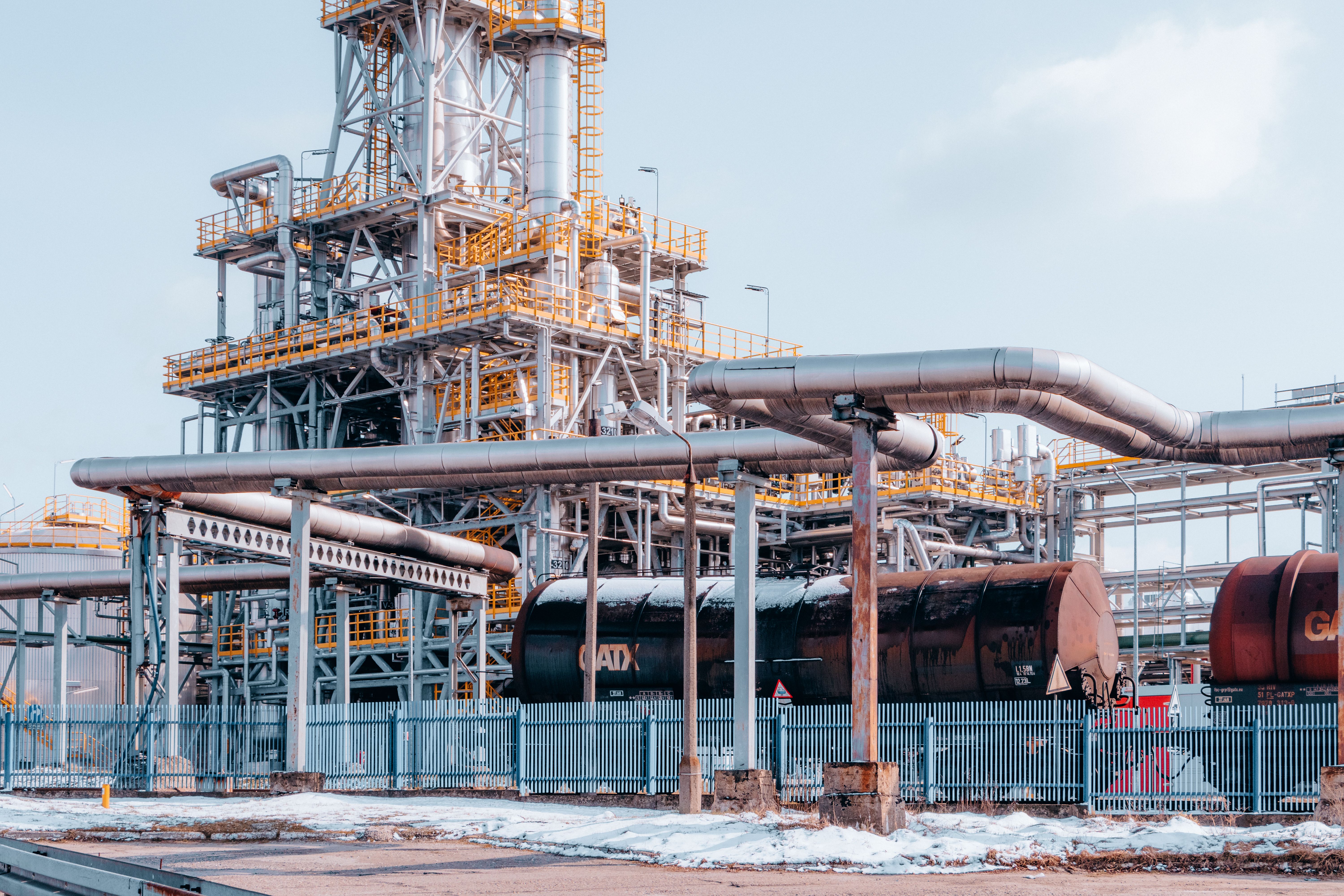
Supply disruptions often create temporary changes in regional trade patterns.
As buyers search for replacement volumes, suppliers from other regions gain opportunities to increase market share. These adjustments can influence freight demand, delivery schedules and pricing negotiations.
Current market behavior highlights several trends:
Buyers increasingly evaluate multiple origins rather than relying on traditional suppliers.
Contract flexibility has become more valuable than before.
Logistics reliability carries greater importance during periods of uncertainty.
Regional arbitrage opportunities appear more frequently when price differentials widen.
For traders, these changing trade flows can create opportunities, but they also increase operational complexity.
Demand Fundamentals Remain Mixed
Despite the dramatic price movements seen earlier in the year, actual demand growth remains relatively moderate across several downstream sectors.
Many converters continue purchasing according to immediate production needs rather than building large inventories.
This behavior reflects broader economic realities.
Manufacturers remain focused on preserving margins. End-user demand across several industrial sectors has not strengthened enough to justify aggressive stock accumulation.
As a result, the market faces an unusual combination of cautious consumption and elevated price volatility.
Procurement Risks Facing Industrial Buyers
Procurement teams operating in the current environment face multiple risks simultaneously.
Price volatility represents only one part of the challenge. Supply reliability, logistics planning and inventory optimization have become equally important considerations.
Buyers should pay attention to:
Geopolitical developments affecting energy and shipping routes.
Operating rates at major regional petrochemical complexes.
Polypropylene demand trends among key consuming industries.
Freight market developments that could alter landed costs.
Inventory positions throughout the supply chain.
Companies that monitor these indicators consistently will respond more effectively to changing market conditions.
Market Outlook for Propylene and Polypropylene
The outlook for the remainder of 2026 appears more balanced than conditions seen during the peak of the disruption.
Supply concerns have eased somewhat, yet market participants remain sensitive to new developments. Any significant interruption to feedstock flows, shipping routes or major production facilities could quickly influence pricing sentiment again.
Several outcomes remain possible:
Continued stabilization if supply chains operate normally.
Moderate price corrections if demand remains subdued.
Renewed volatility if geopolitical risks intensify.
Stronger polypropylene demand if manufacturing activity improves during the second half of the year.
The most likely scenario currently points toward cautious stability rather than a return to extreme price spikes.
What Procurement Teams Should Do Now
Procurement managers cannot rely solely on spot market signals in the current environment. Successful purchasing strategies require a broader view of supply chains, freight costs and regional production dynamics.
Organizations should strengthen supplier diversification, maintain visibility into inventory requirements and monitor both physical market fundamentals and speculative influences. Flexible sourcing strategies may provide a competitive advantage when conditions change unexpectedly.
The propylene market has demonstrated how rapidly sentiment can influence pricing even when underlying demand remains relatively stable. Buyers who combine disciplined procurement practices with continuous market intelligence will be better positioned to manage risk and secure reliable supply throughout the remainder of 2026.
Ready to source propylene from verified global suppliers? Explore competitive offers on our platform today.
Propylene Oxide CAS: 75-56-9