
Urea (Granular) - Egypt CAS: 57-13-6
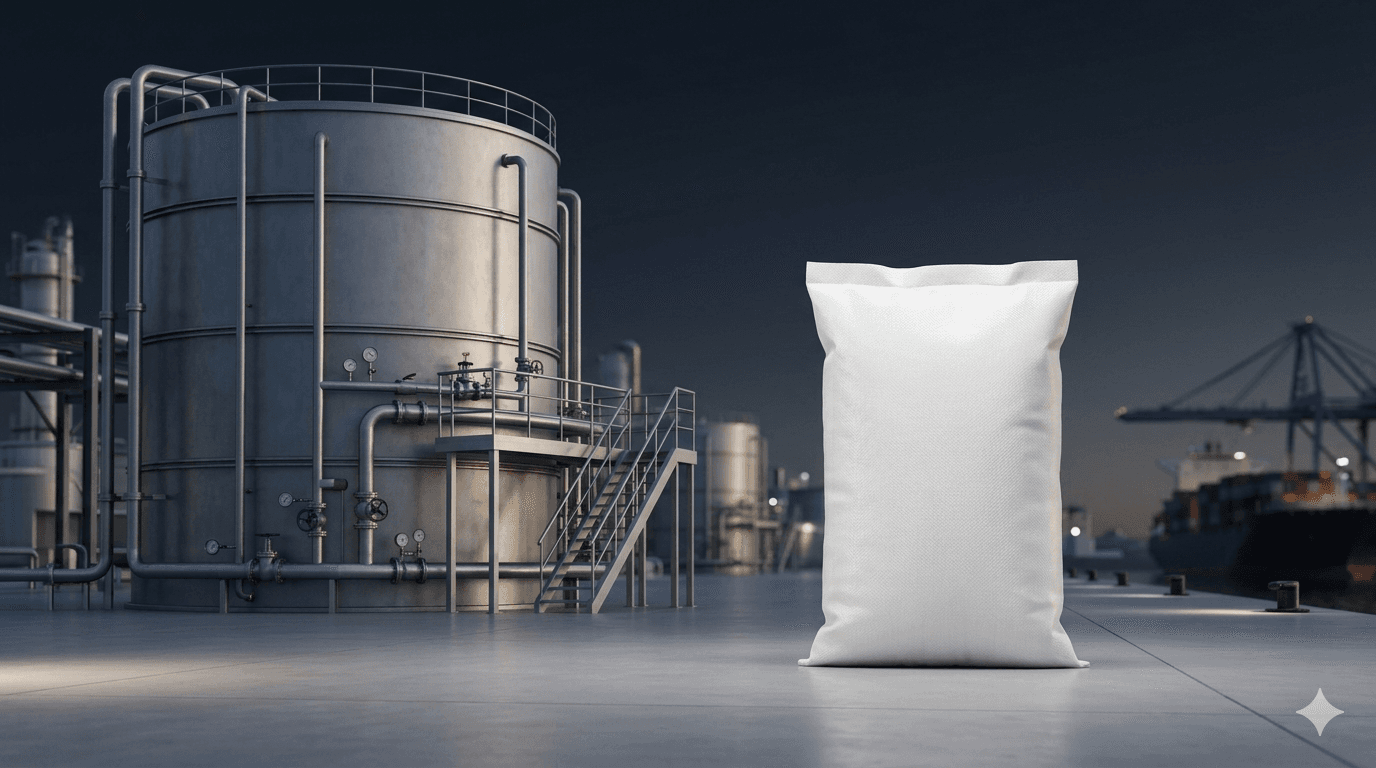

The recent persistence of DAP price strength underscores a tightening phosphate supply chain, heightened global fertilizer demand, and growing procurement risks for agriculture stakeholders. As phosphate trade remains constrained, buyers must reassess sourcing strategies amid volatile market conditions.
The industry started the year stunted by the petrochemical downturn. But the war in Iran
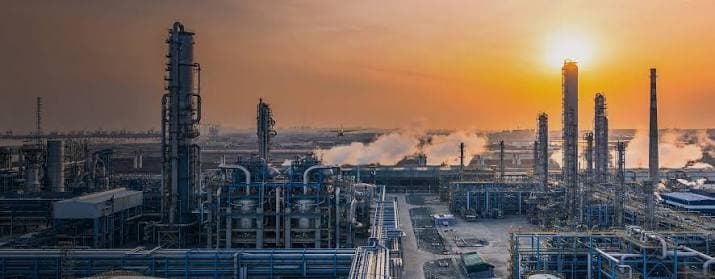
The latest C&EN Global Top 50 ranking provides far more than a list of the world's largest chemical companies. It reveals which business segments remain under pressure, which producers are strengthening their competitive position, and what procurement professionals should expect as the industry moves through H2 2026.
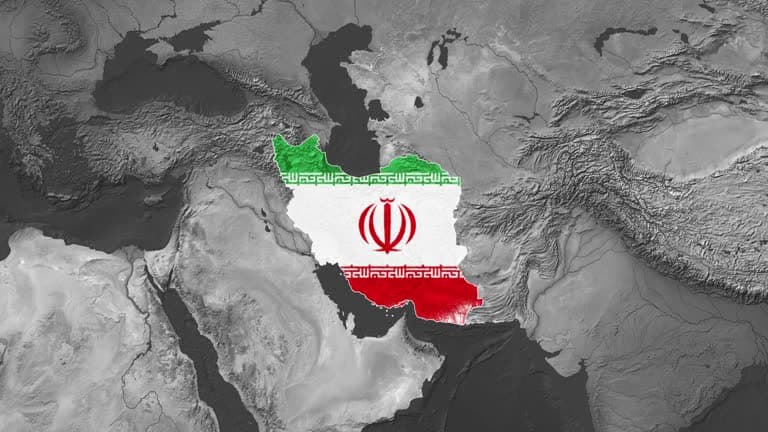
Iran’s proposed Hormuz transit fees could add $500–750 million annually to global chemical trade costs, creating a permanent landed‑cost increase for Gulf‑origin chemicals. This article analyzes the fee structure, its impact on petrochemical freight risk, and strategies for 2026 chemical procurement.
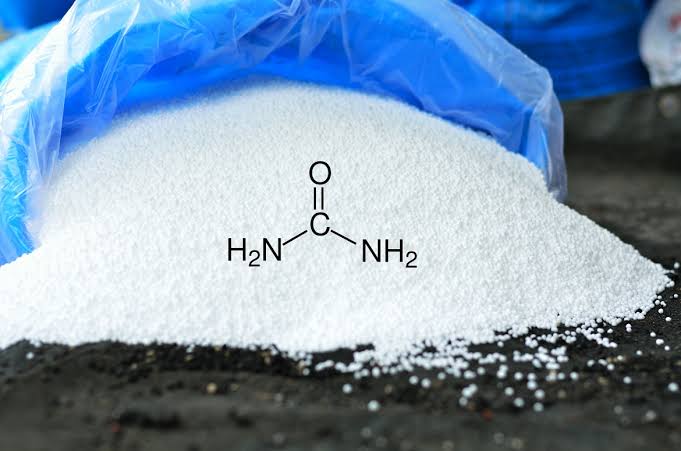
This week's agrochemical intelligence highlights fertilizer supply recovery, phosphate pricing, urea market developments, Bangladesh's ammonia restart, and upcoming EU trade decisions that could reshape procurement strategies during Q3 2026.

China became the world's swing supplier during the Hormuz crisis, filling global supply gaps across commodity and specialty chemicals. As Gulf exports recover in H2 2026, Beijing is strengthening domestic chemical manufacturing while international buyers shift toward balanced multi-origin sourcing strategies.
We're committed to your privacy. Tradeasia uses the information you provide to us to contact you about our relevant content, products, and services. For more information, check out our privacy policy.