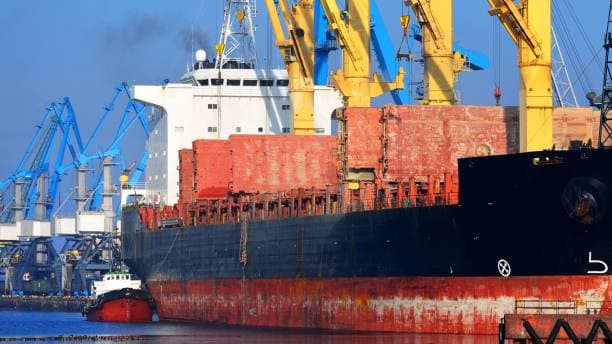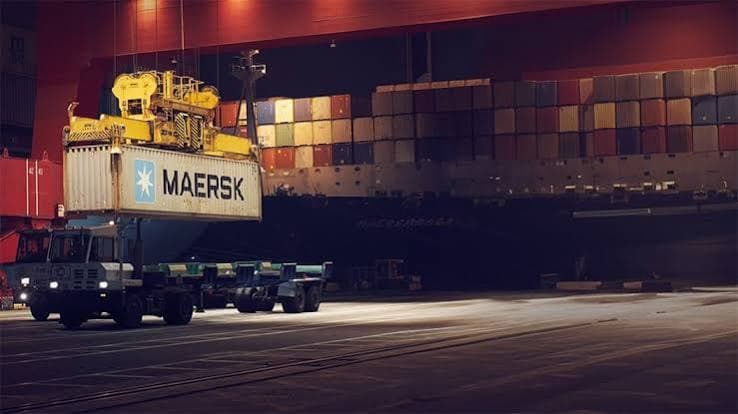

For much of the chemical industry, freight costs have dominated conversations throughout 2026. However, another cost category has quietly become just as important: marine insurance.
As geopolitical tensions disrupted shipping through the Middle East, insurers responded by dramatically increasing risk premiums. The result has been a sharp increase in War Risk Surcharges (WRS) across multiple trade lanes.
For chemical importers, understanding insurance coverage is no longer just a compliance issue—it has become a critical part of procurement risk management.
A cargo shipment that is properly insured on paper may still face significant coverage gaps if routing, policy wording or contract obligations are not carefully reviewed.
Why War Risk Insurance Matters in 2026
Marine cargo insurance traditionally covers common transportation risks such as:
Cargo damage.
Theft.
General average contributions.
Transit losses.
Handling incidents.
War-related events are often treated differently.
Because military conflict creates extraordinary exposure, insurers typically separate these risks into dedicated war-risk provisions.
During the Hormuz crisis, premiums increased rapidly as insurers reassessed the probability of:
Vessel damage.
Port disruptions.
Mine incidents.
Military escalation.
Cargo loss.
As a result, war-risk costs became a significant component of total freight expenses.
War Risk Surcharges Have Reached Record Levels
By June 2026, War Risk Surcharges on Gulf-linked trade lanes had reached approximately:
$1,500 per TEU
For many chemical shipments, this surcharge alone exceeds historic freight costs from normal market conditions.
The increase reflects:
Elevated regional risk.
Insurance market uncertainty.
Vessel security requirements.
Frequent underwriting reviews.
Importers should recognize that these costs are often embedded within freight quotations rather than separately itemized.
Why P&I Clubs Are Reviewing Coverage Weekly
Protection and Indemnity (P&I) insurers play a crucial role in maritime risk management.
The current environment has forced many clubs to:
Reassess risk exposure.
Review transit routes.
Adjust premium calculations.
Update coverage conditions.
In some cases, Gulf-related coverage is effectively being re-evaluated every week.
This means insurance terms can change much faster than many procurement teams expect.
CIF and CIP Buyers Face Unique Risks
Many chemical importers purchase products under:
CIF (Cost, Insurance and Freight).
CIP (Carriage and Insurance Paid To).
Under these terms, the seller typically arranges cargo insurance.
While this appears convenient, it creates an important challenge.
Buyers often assume insurance coverage is comprehensive without independently verifying policy details.
That assumption can become costly.
Verify the Actual Route Is Covered
One of the most important questions in 2026 is:
Does the insurance policy cover the route actually being used?
Many shipments originally intended to move through the Strait of Hormuz or the Suez Canal have been rerouted around:
The Cape of Good Hope.
Alternative regional corridors.
Extended transshipment routes.
Insurance policies written before rerouting decisions may not automatically cover revised transit paths.
Written confirmation should always be obtained.
ICC (A) Coverage Is Not the Same as War Risk Coverage
Many importers mistakenly believe that comprehensive cargo insurance automatically includes war-related events.
In practice, coverage structures differ.
Institute Cargo Clauses (A)
ICC (A) generally provides broad protection against many transit-related risks.
Coverage may include:
Physical damage.
Loss during transport.
Certain external events.
However, war-related events are often excluded.
Institute War Clauses
Separate Institute War Clauses typically address:
Armed conflict.
Hostilities.
Mines.
Military actions.
Terror-related maritime risks.
Importers should confirm whether both forms of coverage are in place.
Failure to do so can leave significant gaps.
Obtain Written Confirmation—Not Verbal Assurances
In the current environment, verbal assurances are insufficient.
Procurement teams should request:
Written insurance confirmation.
Policy endorsements.
Route approval confirmation.
War-risk coverage statements.
Updated certificates of insurance.
Documentation is essential if disputes arise later.
How Force Majeure Can Affect Insurance Obligations
Many buyers focus on force majeure and insurance separately.
They are often interconnected.
Important questions include:
Does a force majeure declaration affect insurance responsibilities?
Does the supplier remain obligated to maintain coverage?
Who bears additional war-risk costs?
Are insurance obligations modified during disruptions?
The answers depend on:
Contract wording.
Governing law.
Insurance clauses.
Incoterms used.
Procurement and legal teams should review these provisions together rather than treating them as separate issues.
Five Practical Actions for Chemical Importers
1. Request Updated Insurance Documentation
Do not rely on pre-crisis insurance assumptions.
2. Verify Routing Coverage
Ensure policies reflect actual shipping routes.
3. Review War-Risk Endorsements
Confirm war-risk protection exists and remains active.
4. Check Contractual Insurance Obligations
Understand which party bears responsibility under the sales contract.
5. Maintain Documentation Files
Keep copies of:
Insurance certificates.
Bills of lading.
Correspondence.
Policy amendments.
Freight invoices.
This documentation may become critical during claims processes.
Which Chemical Shipments Face the Highest Exposure?
The products most affected by current insurance conditions include:
Methanol.
Urea.
Solvents.
Base petrochemicals.
Bulk liquid chemicals.
Containerized chemical cargo.
These products often move through trade corridors directly impacted by current geopolitical developments.
The Bottom Line
War Risk Surcharges have become one of the defining features of chemical trade in 2026. While freight costs attract the most attention, insurance coverage can create equally significant financial exposure if buyers fail to verify policy details.
Chemical importers using CIF and CIP terms should pay particular attention to routing coverage, Institute War Clauses and written insurance confirmations. The assumption that standard cargo insurance automatically covers war-related risks is one of the most dangerous misconceptions in today's shipping market.
In a period of elevated geopolitical uncertainty, insurance verification is no longer an administrative exercise—it is a core component of procurement risk management.
Acrylic Acid (99.5%) - China CAS: 79-10-7